Why Google Business Profile, Apple Maps & Bing Places Are Now Part Of AI Discovery.
Your business profiles are no longer basic map listings. They are local trust assets, SEO signals, content hubs and discovery points across Google, Apple, Bing, Microsoft and AI-powered search journeys.
Google My Business is not just Google My Business anymore.
Most business owners still think of Google Business Profile as a place to add opening hours, a phone number and a few photos. That is old thinking. Today, local business profiles influence how customers discover, compare, trust and contact a business before they ever reach the website.
The same thinking now applies to Apple Maps and Bing Places. Apple controls a major mobile discovery path through iPhone users. Bing connects into Microsoft search behaviour, Edge, Copilot-style discovery and AI-assisted search behaviour.
Local profiles are now part of the AI Overview and GEO conversation.
SEO is still about making your business findable, useful and relevant. GEO, or Generative Engine Optimisation, adds another layer: making your business easier for AI systems to understand, summarise and recommend.
When AI systems interpret local intent, they need structured facts: business name, categories, locations, services, products, reviews, images and trustworthy supporting content.
Local SEO relevance across services, products and locations
Google AI Overview clarity through consistent business information
GEO visibility by strengthening entity signals across the web
Conversion trust through reviews, images, posts and service proof
Google Business Profile is your local search shopfront.
Google Business Profile can influence how customers see your business in Google Search and Google Maps. A weak profile sends a weak signal. A strong profile gives customers enough confidence to call, visit, request a quote, view products or click through to the website.
What should be managed?
Business profile setup, claiming and verification
Primary and secondary categories
Opening hours, special hours and contact details
Products, services and service areas
Images, gallery updates and visual proof
Monthly Google Business Profile posts
Review monitoring and professional responses
Apple Maps
Apple Maps matters because iPhone users search differently.
Apple Maps visibility is often ignored, but it should not be. Many customers do not open a browser first. They use maps, Siri, mobile search behaviour and Apple’s local ecosystem to find a business, check directions and decide whether the brand feels legitimate.
Bing Places
Bing Places should not be treated as an afterthought.
Bing is part of the Microsoft ecosystem. That makes Bing Places more relevant in a world where AI-assisted search, Microsoft Edge, Windows, Bing Maps and Copilot-style behaviour are becoming more connected.
Products & Services
Your products and services should be visible before the website click.
One of the biggest missed opportunities in local profile management is product and service structure. Businesses often list a category but fail to add the actual services, products, descriptions and images that customers care about.
AIIMS Group can help connect ecommerce products where possible, manually add products where needed and create custom service lists aligned with the SEO plan.
Posts & Micro Reels
16 posts per month gives your local profile real movement.
A local profile that never changes looks stale. A local profile with structured monthly activity gives customers and search systems more context.
AIIMS Group builds 16 posts per month based on the SEO plan, including service posts, product posts, location posts, offer posts, review proof and educational content.
Review Management
Reviews are local SEO assets, trust assets and conversion assets.
Review management is not just about responding when something goes wrong. It is about protecting trust, showing the business is active, highlighting service quality and learning from what customers actually say.
AIIMS Video Insights
Watch the AIIMS videos on local profiles, GEO and SEO.
The Power of Google My Business Listings
SEO, GEO and AI Search Visibility
AI Overview and Local Discovery Strategy
Related AIIMS Group Services
Build the full local discovery system.
Local profiles perform best when they connect to SEO, AI marketing, performance campaigns, content and website structure.
Explore the full service ecosystem across SEO, AI, content, web, paid media and local visibility.
FAQs
Google Business Profile, Apple Maps, Bing Places, SEO & GEO FAQs
Is Google Business Profile still important for SEO?
Yes. Google Business Profile is still important for local SEO because it supports visibility across Google Search and Google Maps while giving customers key information before they visit the website.
Why should a business manage Apple Maps?
Apple Maps matters because iPhone users often search through Apple’s local ecosystem. Accurate business details, photos and place information can influence trust and directions-based discovery.
Is Bing Places worth setting up?
Yes. Bing Places supports visibility across Bing Search, Bing Maps and the Microsoft ecosystem, which is increasingly relevant as AI-assisted search grows.
How do local profiles support GEO?
Local profiles support GEO by reinforcing business entities, locations, services, products, reviews and structured information that AI systems can use to understand and recommend a business.
Can products be added to Google Business Profile?
Yes. Products can be added where supported, either through available integrations or manual product setup with images, descriptions and links.
How many posts should a business publish on Google Business Profile?
AIIMS Group recommends 16 posts per month when the profile is part of an active SEO plan, covering services, products, locations, offers, reviews and educational content.
What are micro reels for local profiles?
Micro reels are short, lightweight video assets under 2MB designed for profile activity, visual proof and quick customer engagement.
Should review management be part of local SEO?
Yes. Reviews influence trust, conversion and local profile presentation. They also provide useful content themes for service pages, FAQs and local SEO strategy.
AIIMS Group
Your local profiles should be active, structured and connected to SEO.
AIIMS Group manages Google Business Profile, Apple Maps and Bing Places as part of a wider local discovery, SEO, GEO and AI search strategy.
SEO Agency Sydney • GEO • AI Search • Enterprise Growth
Why Most SEO Agencies Fail To Deliver Long-Term Results and What Enterprise Businesses Should Look For Instead
Ranking on Google is no longer enough. The brands winning search today are not just hiring an SEO provider. They are building visibility through integrated teams across SEO, GEO, AI Search, content, development, creative, analytics, CRM and customer experience.
2010AIIMS Group founded with a performance-first approach
Globalteams and campaigns across AU, NZ, UAE and beyond
For years, businesses were told to look for a specialist SEO agency. That advice made sense when SEO was mostly about keywords, backlinks, metadata, technical fixes and blog content. But the search landscape has moved. Google is more demanding. AI search is reshaping discovery. Customers move between search, social, video, paid media, reviews, websites, chat tools and sales teams before they decide who to trust.
A modern SEO campaign cannot operate in isolation. It needs strategy, technical implementation, authority, content, design, UX, tracking, conversion optimisation, video, CRM follow-up and executive-level accountability. That is where many traditional SEO agencies struggle. They can recommend the work, but they often cannot execute the whole ecosystem.
This is the difference between a basic SEO agency and an integrated search growth team. One tries to improve rankings. The other builds the infrastructure required to turn visibility into measurable business growth.
SEO used to be easier to define. A business would hire an SEO agency to improve rankings for target keywords. The agency would run a technical audit, create content, optimise titles, build backlinks and report on ranking movements. That model still exists, and parts of it are still necessary, but it is no longer enough for serious brands in competitive markets.
Today, Google evaluates much more than the presence of keywords. It looks at authority, trust, user experience, technical performance, content quality, brand signals, local relevance, helpfulness, topical depth, entity relationships and whether the website genuinely satisfies the searcher’s intent. At the same time, AI-powered search experiences are changing how people discover businesses. Prospects may now ask ChatGPT, Gemini, Perplexity or Google AI Overviews for recommendations before they ever click a traditional search result.
This creates a difficult reality for businesses. You cannot treat SEO as a small monthly checklist. You need a complete search ecosystem. Your website must be technically sound. Your content must prove expertise. Your brand must be visible across the web. Your creative assets must support trust. Your videos must answer real questions. Your CRM must capture the enquiry. Your analytics must show what is working. Your team must be able to act quickly.
The businesses that win are not the ones with the longest keyword list. They are the ones with the strongest digital infrastructure.
Modern SEO is not a channel. It is the connected system that helps customers discover, trust, compare and choose your business.
That is why enterprise and growth-focused businesses should stop asking only, “Who can rank us?” The better question is, “Who has the team, systems and infrastructure to turn search visibility into revenue?”
Why Rankings Alone Are No Longer Enough
Rankings still matter. A business that appears on page one for profitable keywords has an advantage. But rankings are only one part of the result. A page can rank and still fail to generate quality leads. A site can receive traffic and still lose buyers because the messaging is weak, the design is outdated, the form is clunky, the page speed is poor or the follow-up process is broken.
This is where many SEO reports become misleading. They show impressions, clicks and keyword movement, but they do not always show commercial impact. A business owner does not grow from rankings alone. They grow from qualified traffic, serious enquiries, booked consultations, sales conversations, transactions, repeat customers and market authority.
For a Sydney business competing in a serious category, SEO must be connected to the full customer journey. It must answer the right search intent. It must build confidence. It must make the offer clear. It must guide the visitor toward the next action. It must be supported by conversion-focused design, fast development, strong content, proof, reviews, case studies, videos and follow-up automation.
Visibility
Can the right customers find you through Google, AI search, local search, video, maps and branded discovery?
Trust
Does your page prove why your business is credible, experienced and worth choosing over competitors?
Conversion
Does your website turn search traffic into leads, bookings, calls, enquiries and measurable pipeline?
A traditional SEO agency may focus heavily on the first pillar. A proper search growth team focuses on all three.
The Problem With Traditional SEO Agencies
The issue is not that SEO agencies are bad. The issue is that many of them are built for an older version of search.
Many traditional SEO agencies are small teams. They may have a strategist, an account manager, a content writer, a technical specialist and a link-building provider. That can work for small businesses with simple needs. But when the client is a growing brand, a multi-location business, an ecommerce company, a national service provider or an enterprise organisation, that structure often becomes stretched.
The agency identifies technical issues, but they do not have senior developers ready to fix them. They recommend better landing pages, but they do not have a UX team or production team to improve the assets. They suggest stronger case studies, but they do not have a video team to film them. They recommend better lead tracking, but they do not have CRM automation specialists. They talk about conversions, but they do not control the sales follow-up process.
As a result, strategy gets stuck between departments, suppliers and internal bottlenecks. The SEO agency sends recommendations. The client has to chase implementation. The website team is separate. The CRM team is separate. The creative team is separate. The paid media team is separate. The content team is separate. No one owns the full outcome.
The real failure point is not always SEO strategy. It is fragmented execution.
When SEO, content, web, creative, CRM, analytics and paid media are disconnected, momentum slows down. Search growth becomes a list of recommendations instead of a functioning commercial system.
This is why many businesses feel frustrated after paying for SEO for months. They receive reports, but they do not feel growth. They see activity, but not enough commercial movement. They hear about rankings, but their sales team is not seeing the quality of leads they expected.
The answer is not to abandon SEO. The answer is to modernise the model.
What Is An Integrated Search Growth Team?
An integrated search growth team is not a generalist agency. It is not a random collection of services. It is a structured model where specialist departments work together around a shared commercial objective: stronger visibility, better authority, more qualified traffic, higher conversion rates and clearer revenue attribution.
The distinction matters. A generalist agency usually means a small team trying to do everything. An integrated agency means dedicated specialists working in their respective disciplines, supported by systems, leadership and process. One model dilutes expertise. The other amplifies it.
For AIIMS Group, this distinction is central. AIIMS is not positioned as a small full-service agency where everyone wears every hat. AIIMS is a large multi-disciplinary group with more than 100 specialists across seven prime departments. The value is not “we do many things.” The value is “your SEO strategy is supported by the departments needed to implement, distribute, measure and improve the work.”
This is a much stronger model for businesses that need more than content and rankings. It allows a campaign to move from insight to action faster. Technical recommendations can be implemented. Content can be produced properly. Videos can support authority. Paid media can validate high-intent keywords. CRM workflows can improve follow-up. Analytics can connect activity to lead quality and revenue.
The result is not just SEO. The result is search-led growth.
The Seven Departments Behind Modern Search Growth
A serious SEO campaign now needs multiple disciplines working together. This is where AIIMS Group’s structure becomes a competitive advantage.
1. Performance & Search
SEO, GEO, AI Search, Google Ads, Microsoft Ads, local SEO, technical SEO, keyword strategy and search performance direction.
2. Content & Strategy
Content architecture, service pages, blogs, case studies, thought leadership, topical maps, search intent and brand messaging.
Video, photography, podcasts, creator content, testimonials, case study assets and human-led proof for E-E-A-T.
6. CRM & Automation
Lead capture, CRM workflows, attribution, follow-up automation, sales pipeline support and lifecycle communication.
7. Client Experience
Accountability, project management, communication, reporting, task coordination, service delivery and campaign momentum.
These departments do not replace SEO expertise. They make SEO more effective. They allow recommendations to become real work, and real work to become measurable outcomes.
SEO + Content Production: Authority Needs More Than Words
Content remains one of the most important parts of SEO. But content quality has changed. It is not enough to publish generic blog posts written around keywords. Content must demonstrate real expertise, answer specific customer questions, reflect the market, support the buyer journey and connect to a wider topical authority structure.
Search engines are trying to reward content that is useful, original and trustworthy. That means businesses need more than words on a page. They need service pages that explain value clearly. They need comparison content. They need pricing guidance. They need case studies. They need FAQs. They need suburb pages, industry pages, product guides, educational hubs and thought leadership. They also need a consistent content distribution model.
When SEO and content production work together properly, each page has a clear job. Some pages are designed to rank for commercial service keywords. Some are designed to capture early-stage research. Some are designed to support internal linking. Some are designed to answer objections. Some are designed to support sales teams. Some are designed to feed AI search systems with structured, authoritative explanations.
What Strong SEO Content Should Include
Clear search intent alignment
Expert-written or expert-reviewed content
Real examples and proof
Original insights and market perspective
Internal links to related service pages and case studies
FAQs that answer buyer objections
Schema markup where appropriate
Visual assets with descriptive alt tags
Video and multimedia support where useful
This is where integrated teams have the edge. SEO can identify the opportunity. Strategy can shape the angle. Content can produce the article. Creative can design the assets. Production can create video. Development can publish and optimise the page. Analytics can measure performance. Paid media can amplify the best assets. CRM can help track the resulting enquiries.
SEO + Web Development: Recommendations Mean Nothing Without Implementation
One of the most common SEO bottlenecks is development. An audit may identify slow page speed, poor internal linking, broken schema, thin templates, crawl issues, duplicate content, JavaScript rendering problems, missing redirects, weak mobile UX or poor site architecture. But if no one fixes these issues quickly, the audit becomes a document rather than a result.
When SEO and development are under the same integrated structure, execution improves. Technical recommendations can be scoped properly. Schema can be added. Templates can be improved. Landing pages can be built. Navigation can be adjusted. Conversion elements can be tested. Website performance can be monitored. The team can move from strategy to implementation without unnecessary friction.
SEO Requirement
Why It Matters
Department Support Needed
Page speed
Impacts user experience, crawl efficiency and conversion rates.
Web development + analytics
Schema markup
Helps search engines understand services, FAQs, articles, videos and entities.
SEO + development
Landing page structure
Improves keyword relevance, user flow and conversion clarity.
SEO + UX + creative + development
Internal linking
Distributes authority and helps Google understand topic relationships.
SEO + content + development
Tracking setup
Connects SEO activity to leads, enquiries and revenue signals.
Analytics + CRM + development
Great SEO requires great implementation. Without development support, even the best strategy can stall.
SEO + CRM Automation: Search Traffic Must Become Sales Pipeline
SEO does not end when a visitor submits a form or makes a phone call. That is where the next part of the growth system begins. If a business invests in SEO but has weak lead capture, poor follow-up, no CRM visibility or slow response times, valuable opportunities can be lost.
CRM and automation help answer the questions SEO alone cannot. Which pages produced the best lead quality? Which keyword theme produced the strongest commercial value? Were the leads contacted, qualified and converted?
An integrated search growth team does not stop at rankings. It looks at the full path from search query to sale.
SEO + Paid Media: Faster Learning, Stronger Search Strategy
SEO and paid media should not live in separate worlds. They both reveal search behaviour. They both show intent. They both help a business understand which messages, offers, keywords and landing pages generate commercial response.
Paid media can accelerate SEO learning. Google Ads can show which search terms convert before a business invests months into organic content. Paid campaigns can test headlines, offers and landing page angles. Remarketing can bring organic visitors back.
How Paid Media Supports SEO
Validates keyword intent before long-term SEO investment
Tests landing page messaging and offers
Identifies high-converting search terms
Supports remarketing to organic visitors
Amplifies case studies, videos and educational content
Creates faster feedback loops for content strategy
The goal is not to choose between SEO and paid media. The goal is to make both smarter.
SEO + Analytics: Businesses Need Commercial Clarity
SEO reporting must move beyond vanity metrics. Rankings, impressions and clicks matter, but they should not be the only measures of success. A serious business needs to understand visibility, traffic quality, engagement, conversions, lead source, lead quality, revenue influence and campaign momentum.
Analytics is what turns SEO from a marketing activity into a business growth function. Without strong analytics, SEO becomes opinion-heavy. With proper analytics, decisions become clearer. Teams can prioritise pages, adjust strategy, fix weak points and scale what works.
SEO + Creative Design: Trust Is Visual Before It Is Logical
Search visibility gets a visitor to the page. Design helps decide whether they stay. A business can have strong rankings and still lose enquiries if the page looks generic, outdated, cluttered or unclear.
Creative design supports SEO by improving readability, guiding users through the page, making proof easier to understand, supporting brand recognition and making calls to action more visible.
When creative and SEO collaborate, the content becomes more usable. That matters for both humans and search engines.
SEO + Customer Experience: Momentum Needs Ownership
SEO campaigns fail when no one owns momentum. Tasks sit open. Content waits for approval. Development tickets stall. Reporting becomes reactive. The client is left trying to coordinate multiple suppliers and internal teams.
Search growth requires specialist skill, but it also requires operational discipline.
The best SEO partner is not just the one with ideas. It is the one that can coordinate the people, assets, systems and actions needed to bring those ideas to market.
GEO And AI Search Optimisation: The Next Competitive Battleground
The future of SEO is not just ranking in blue links. Businesses now need to be understood, trusted and referenced by AI-powered discovery systems.
GEO, or Generative Engine Optimisation, is the next layer of search visibility. It focuses on how brands appear across generative search experiences, AI answer engines and large language model-driven discovery. This includes Google AI Overviews, ChatGPT, Gemini, Perplexity and other emerging platforms where users ask questions and receive summarised answers.
What AI Search Rewards
Clear entity information about the business, people, services and locations
Helpful content that directly answers user questions
Strong topical authority across related subjects
Trust signals such as reviews, awards, case studies and real-world proof
Structured data that helps machines understand the page
Consistent brand mentions across the web
Original media including videos, interviews, podcasts and expert commentary
The strongest positioning is not simply “SEO Agency Sydney.” The stronger positioning is “Sydney SEO, GEO and AI Search Agency.” That signals to Google, AI platforms and buyers that AIIMS understands where the market is heading.
SEO Agency vs Integrated Search Growth Team
Capability
Traditional SEO Agency
Integrated Search Growth Team
SEO Strategy
Keyword targeting, technical audits, content planning and backlinks.
SEO strategy connected to brand, content, development, CRO, CRM and revenue goals.
Technical Implementation
Often depends on client-side developers or external contractors.
Web development team can support implementation, schema, speed, structure and UX.
Content Production
Usually blog posts and service page copy.
Content strategy, service pages, blogs, case studies, video scripts, FAQs, topical maps and sales assets.
Creative Support
Limited or outsourced.
Design team supports visual trust, UX, diagrams, campaign assets and conversion layouts.
Video & Proof
Usually not included.
Production team can create testimonials, explainers, case studies, podcasts and authority content.
CRM & Follow-Up
Rarely included.
CRM and automation team helps connect leads to pipeline and improve response journeys.
AI Search & GEO
Often new or limited.
Integrated into SEO, content, schema, entity building, video and authority strategy.
Reporting
Rankings, traffic and basic conversions.
Search visibility, content performance, lead quality, attribution, sales journey and growth opportunities.
How To Choose The Right SEO Partner In Sydney
Choosing an SEO partner should not be based only on who promises the most keywords or the cheapest monthly retainer. The right partner should understand your market, your customer journey, your website, your sales process and your growth objectives.
Questions To Ask Before Hiring An SEO Agency
Who will actually work on the campaign?
Do you have dedicated SEO, content, development, creative and analytics specialists?
Can you implement technical recommendations, or only report on them?
How do you connect SEO activity to lead quality and sales outcomes?
Do you optimise for AI Search, GEO and Google AI Overviews?
Can you produce case studies, video content and authority assets?
How do you handle local SEO and suburb-level targeting?
What reporting do you provide beyond rankings?
How do departments collaborate?
What proof do you have from real campaigns?
The answer you are looking for is not “we do everything.” The answer you are looking for is “we have specialist departments that work together around your growth objective.”
Frequently Asked Questions
What makes a good SEO agency in Sydney?
A good SEO agency in Sydney should combine technical SEO, content strategy, local SEO, authority building, analytics, conversion optimisation and clear reporting. Modern SEO also requires GEO and AI Search optimisation so brands can appear across Google AI Overviews, ChatGPT, Gemini and other discovery platforms.
What is the difference between an SEO agency and an integrated search growth team?
A traditional SEO agency usually focuses on rankings, technical fixes and content. An integrated search growth team includes SEO specialists supported by web developers, content producers, creative designers, paid media strategists, CRM automation specialists, analytics experts and customer experience teams.
Is AIIMS Group a generalist agency?
No. AIIMS Group is better described as a multi-disciplinary specialist agency. The difference is structure. A generalist agency usually has a small team doing many tasks. AIIMS Group has dedicated departments with specialists across SEO, GEO, performance, creative, production, web development, CRM, automation, analytics and client experience.
What is GEO optimisation?
GEO, or Generative Engine Optimisation, is the process of structuring content, entities, authority signals and digital assets so a business can be discovered and referenced by AI-powered search systems and generative answer engines.
Does SEO still work in 2026?
Yes, SEO still works, but it has changed. Businesses now need SEO strategies that include technical performance, content quality, entity authority, local relevance, conversion optimisation and AI Search visibility.
Why do some SEO campaigns fail?
SEO campaigns often fail when they focus only on rankings and ignore implementation, content quality, site performance, lead conversion, tracking, local authority, brand trust and sales follow-up.
How long does SEO take to work?
SEO timelines depend on competition, website history, technical health, content depth and authority. Many campaigns require three to six months to show meaningful movement, while competitive markets can require sustained work over twelve months or more.
Is SEO better than Google Ads?
SEO and Google Ads serve different purposes. SEO builds long-term organic visibility and authority. Google Ads can drive faster traffic and lead generation. Strong brands often use both together.
Can SEO improve lead quality?
Yes. SEO can improve lead quality when keyword strategy, page intent, content messaging, calls to action and CRM follow-up are aligned with the right customer profile.
Why should enterprise businesses care about integrated SEO?
Enterprise businesses usually need more than rankings. They need scalable implementation, stronger content systems, technical support, CRM visibility, analytics, compliance-aware messaging, multi-location strategy and a clear connection between search activity and commercial outcomes.
Ready To Build Search Growth That Goes Beyond Rankings?
AIIMS Group brings SEO, GEO, AI Search, content, creative, development, production, CRM, automation, analytics and client experience together under one structure. That means stronger strategy, faster execution and clearer commercial accountability.
Plumbing Bros x AIIMS Case Study | Website, SEO & Google Ads Growth
Case Study / Plumbing Bros x AIIMS
From invisible to unstoppable.
A full digital rebuild for Plumbing Bros — new website, SEO foundation, Google Ads, Performance Max, conversion-led landing pages and call tracking that proved where the bookings came from.
Plumbing Bros did not need another pretty website. They needed a digital system that could convert urgent plumbing intent into calls, leads and booked jobs. That is what AIIMS built.
AIIMS rebuilt Plumbing Bros’ digital presence from the ground up. The work covered the website, Google Ads, Performance Max, SEO structure, creative, landing pages and call tracking.
The goal was simple: generate measurable enquiries and bookings, not vanity traffic. Every piece of the campaign was built around search intent, conversion behaviour and source attribution.
584Total Clicks
76Conversions
114Inbound Calls
63Qualified Leads
24Bookings Made
0Missed Calls
The Challenge
The old setup was not pulling its weight.
Plumbing Bros had previously invested in digital marketing, but the campaign structure, website experience and reporting visibility were not strong enough to consistently hit lead and booking targets. The brand needed a sharper online presence, better landing page logic and a cleaner way to see which channels were creating real calls.
The Strategy
Build the machine first. Then scale the traffic.
AIIMS focused on the core foundations that matter for trade lead generation: speed, trust, location intent, call visibility and campaign accountability.
01
Conversion Website
A stronger website structure designed to make Plumbing Bros look like a serious national plumbing franchise, not a generic local trade page.
02
Google Ads Rebuild
Search campaigns were rebuilt around high-intent plumbing searches, locations, service urgency and clear conversion actions.
03
Performance Max Layer
Performance Max was used to support broader reach and conversion capture while search campaigns handled direct intent.
04
Location Pages
State, region and suburb-level pages helped connect users with localised plumbing intent and supported SEO growth.
05
Call Tracking
WildJar tracking created visibility across paid, organic, direct and location-based phone enquiries.
06
Creative Proof
Photography, video and design assets helped the brand look established, credible and trustworthy across every touchpoint.
Website Transformation
From generic to franchise-ready.
The new website repositioned Plumbing Bros around trust, urgency, national coverage and practical service navigation.
The campaign mix included main search coverage, geo-specific campaigns and Performance Max support.
Plumbing Bros — MAIN
3,836Impressions
179Clicks
13Conversions
$2,775Spend
CTR 4.67%Top Performer
Central Coast & Newcastle
3,357Impressions
127Clicks
8Conversions
$1,750Spend
CTR 3.78%CPC $13.78
Plumbing Bros — Perth
3,160Impressions
134Clicks
11Conversions
$1,740Spend
CTR 4.24%CPC $12.98
Performance Max
1,498Impressions
144Clicks
44Conversions
$213Spend
CTR 9.61%Highest CTR
WildJar Call Tracking
The phone data backed up the campaign.
Call tracking gave Plumbing Bros a cleaner view of business outcomes, not just clicks. It connected call volume, answer rates, lead quality and bookings back to marketing sources.
114Total Calls
114Answered
0Missed
63Qualified Leads
24Bookings
85New Callers
“Google Ads campaigns live and have already exceeded their monthly lead and booking targets.”
Plumbing Bros client update
The Work
What AIIMS built.
01
New Website
Full rebuild with stronger positioning, service navigation, conversion pathways and franchise credibility.
02
Google Ads
Search and Performance Max campaigns structured around intent, geography and booking action.
03
SEO Foundation
Technical and on-page improvements, stronger service structure and location content to support organic growth.
04
Call Tracking
WildJar integration to measure which channels drove real inbound calls and bookings.
05
Creative Assets
Photo, video and graphics to give the brand a sharper, more trustworthy presence across web and ads.
06
Landing Pages
Location and service-focused pages built to convert urgent plumbing enquiries into phone calls.
Within weeks of launch, Plumbing Bros had a stronger brand presence, better conversion pathways, clearer campaign structure and reporting that connected marketing activity to real phone enquiries and bookings. The result was not just more traffic. It was a system the business could actually measure and improve.
FAQ
Questions this case study answers.
What did AIIMS Group do for Plumbing Bros?
AIIMS delivered a full digital rebuild including website design and development, SEO, Google Ads, Performance Max, location landing pages, conversion optimisation, creative assets and WildJar call tracking.
What were the key results?
The reporting period used in the case study recorded 584 clicks, 76 conversions, 114 inbound calls, 63 qualified leads, 24 bookings and zero missed calls.
Why does this matter for other trade businesses?
It proves that a trade business does not win online by running ads alone. The website, landing pages, SEO, creative, tracking and sales follow-up all need to work together.
Need your marketing to prove itself?
AIIMS Group builds performance-led websites, SEO systems and paid media campaigns for businesses that want measurable growth, not excuses.
Google AI Overviews are live in Australia. ChatGPT and Perplexity are becoming primary research tools. If your business is not optimised for AI-powered search, you are invisible to a growing share of your potential customers.
This guide explains what AI SEO services are, why they matter for Australian businesses, and what to look for when choosing an AI SEO agency.
What are AI SEO services?
AI SEO services help businesses become findable, understandable and recommendable across both traditional search engines and AI-powered answer engines. This goes beyond keywords and rankings. AI SEO combines Generative Engine Optimisation (GEO), AI Overview targeting, entity-based optimisation, schema markup, content architecture and authority building into a single strategy.
The goal is straightforward: make your brand the answer when someone asks Google, ChatGPT, Perplexity or any AI assistant about your industry, product or service.
Why do Australian businesses need AI SEO?
Australia is one of the fastest AI-adopting markets in the world. Here is why AI SEO matters now.
Google AI Overviews are live in Australia. Google now generates AI-powered answer panels for a growing number of Australian queries. Brands structured for AI extraction get cited. Brands that are not get skipped.
Australians are using AI to research. More consumers and business buyers are using ChatGPT, Perplexity and voice assistants to research products, services and businesses before making decisions.
Early movers build compounding advantages. AI search visibility is not something you switch on overnight. The brands that build their AI SEO foundation now will be harder to displace later.
Traditional SEO alone is not enough. Ranking on page one still matters. But when Google’s AI Overview answers the question above the organic results, you need to be in that answer too.
What does an AI SEO agency actually do?
A good AI SEO agency combines traditional SEO expertise with specialist knowledge of how AI systems read, interpret and cite web content. Their work typically includes:
GEO (Generative Engine Optimisation): Structuring your content, schema and authority signals so AI search systems cite your brand in generated answers.
AI Overview optimisation: Reformatting content, adding structured data and building entity signals so Google’s AI Overviews reference your pages.
Technical SEO: Fixing crawlability, indexation, site speed, internal linking and HTML structure so both traditional crawlers and AI systems can read your site.
Content architecture: Building service pages, FAQs, authority articles and answer-first content that AI systems extract from.
Entity and authority building: Strengthening your brand’s entity signals through structured data, consistent NAP information, brand mentions and internal linking.
Local SEO + AI: Combining AI SEO with local search to ensure your business appears in location-based queries across Sydney, Melbourne, Brisbane, Perth, Adelaide and the wider Australian market.
How is AI SEO different from traditional SEO?
Traditional SEO focuses on ranking pages in search results and driving clicks. AI SEO adds a layer of optimisation for AI-generated answers. When Google generates an AI Overview, it does not just look at rankings. It looks at how well your content answers the query, whether your structured data is clean, whether your entity signals are strong and whether other trusted sources reference your brand.
The two work together. Strong traditional SEO is the foundation. AI SEO builds on top of it to ensure your brand is visible in the new answer-first search experience.
What to look for when choosing an AI SEO agency in Australia
Not every SEO agency understands AI search. Here is what to look for.
GEO expertise. Ask whether they understand Generative Engine Optimisation and can explain how they optimise content for AI extraction.
Schema and structured data. AI systems rely heavily on structured data. Your AI SEO agency should be fluent in FAQ schema, Service schema, Organization schema and Article schema.
Content architecture. AI SEO requires content structured for extraction, not just readability. Look for an agency that builds answer-first content with clear heading hierarchies.
AI visibility tracking. A good AI SEO agency tracks your visibility across Google AI Overviews and AI answer engines, not just traditional keyword rankings.
Australian market knowledge. Your AI SEO agency should understand the Australian market, local search behaviour and competition across key cities.
Transparency. Clear reporting, measurable outcomes and direct access to the people doing the work.
AIIMS Group: AI SEO services for Australian businesses
AIIMS Group delivers AI SEO services from Sydney through a team of dedicated search specialists operating across Sydney and Dubai. With over 15 years of SEO experience and a 22-hour global production cycle, AIIMS combines traditional SEO discipline with GEO, AI Overview optimisation, technical SEO and content engineering.
Our approach is direct: we audit your AI visibility, build a strategy, execute it and report on progress. No layers. No project managers relaying messages. You work with the people doing the work.
AI SEO is the practice of optimising your website and content so both traditional search engines and AI-powered answer engines can understand, trust and recommend your business.
What does an AI SEO agency do?
An AI SEO agency optimises websites for AI-generated answers, AI Overviews and answer engine visibility using GEO, schema markup, content architecture and entity building, alongside traditional SEO.
Are Google AI Overviews live in Australia?
Yes. Google AI Overviews are live and appearing across a growing number of Australian search queries. Brands structured for AI extraction get cited in these answer panels.
How long does AI SEO take to show results?
Technical and structural improvements can show impact within weeks. Content and authority building typically take 3 to 6 months to build meaningful AI visibility. The advantage compounds over time.
Do I still need traditional SEO?
Yes. Strong traditional SEO is the foundation. AI SEO builds on top of it. You still need solid technical SEO, quality content, backlinks and local SEO.
What does AI SEO cost in Australia?
AI SEO is typically delivered as part of a broader SEO retainer. Pricing depends on scope, industry and competition. Contact AIIMS Group for a strategy session.
AI search is not coming. It is already here. Google AI Overviews are live across UAE search results. ChatGPT and Perplexity are becoming primary research tools for consumers and business buyers. If your Dubai business is not optimised for AI-powered search, you are invisible to a growing share of your potential customers.
This guide explains what AI SEO services are, why they matter for businesses in Dubai and the UAE, and what to look for when hiring an AI SEO expert.
What are AI SEO services?
AI SEO services help businesses become findable, understandable and recommendable across both traditional search engines and AI-powered answer engines. This goes beyond keywords and rankings. AI SEO combines Generative Engine Optimisation (GEO), AI Overview targeting, entity-based optimisation, schema markup, content architecture and authority building into a single strategy.
The goal is simple: make your brand the answer when someone asks Google, ChatGPT, Perplexity or any AI assistant about your industry, product or service.
Why do Dubai businesses need AI SEO?
Dubai is one of the most digitally advanced cities in the world. Its consumers adopt new technology faster than almost any other market. Here is why AI SEO matters now.
Google AI Overviews are live in the UAE. Google now generates AI-powered answer panels for a growing number of queries. Brands that are structured for AI extraction get cited. Brands that are not get skipped.
AI assistants are becoming research tools. More people in Dubai are using ChatGPT, Perplexity and voice assistants to research products, services and businesses before making decisions.
Early movers build compounding advantages. AI search visibility is not something you can switch on overnight. The brands that build their AI SEO foundation now will be harder to displace later.
Competition is fierce. Dubai attracts global and local brands competing for the same audience. AI SEO gives you an edge in a crowded market by making your brand the one AI systems recommend.
What does an AI SEO expert actually do?
An AI SEO expert is a search specialist who understands how AI systems read, interpret and cite web content. Their work typically includes:
GEO (Generative Engine Optimisation): Structuring your content, schema and authority signals so AI search systems cite your brand in generated answers.
AI Overview optimisation: Reformatting content, adding structured data and building entity signals so Google’s AI Overviews reference your pages.
Technical SEO: Fixing crawlability, indexation, site speed, internal linking and HTML structure so both traditional crawlers and AI systems can read your site.
Content strategy: Building service pages, FAQs, authority articles and answer-first content that AI systems extract from.
Entity and authority building: Strengthening your brand’s entity signals through structured data, consistent NAP information, brand mentions and internal linking.
Local SEO: Combining AI SEO with local search to ensure your business appears in location-based queries across Dubai, Abu Dhabi and the wider UAE.
How is AI SEO different from traditional SEO?
Traditional SEO focuses on ranking pages in search results and driving clicks. AI SEO adds a layer of optimisation for AI-generated answers. When Google generates an AI Overview, it does not just look at rankings. It looks at how well your content answers the query, whether your structured data is clean, whether your entity signals are strong and whether other trusted sources reference your brand.
The two work together. Strong traditional SEO is the foundation. AI SEO builds on top of it to ensure your brand is visible in the new answer-first search experience.
What to look for when hiring an AI SEO expert in Dubai
Not every SEO agency understands AI search. Here is what to look for.
GEO expertise. Ask whether they understand Generative Engine Optimisation and can explain how they optimise content for AI extraction.
Schema and structured data. AI systems rely heavily on structured data. Your AI SEO expert should be fluent in schema markup, FAQ schema, Service schema and Organization schema.
Content architecture. AI SEO requires content that is structured for extraction, not just readability. Look for an agency that builds answer-first content with clear heading hierarchies.
AI visibility tracking. A good AI SEO expert tracks your visibility across Google AI Overviews and AI answer engines, not just traditional keyword rankings.
Local market knowledge. If you operate in Dubai, your AI SEO expert should understand the UAE market, local search behaviour and GCC competition.
Transparency. Clear reporting, measurable outcomes and direct access to the people doing the work.
AIIMS Group: AI SEO services for Dubai and the UAE
AIIMS Group delivers AI SEO services in Dubai through a team of dedicated search specialists operating from both Sydney and Dubai. With over 15 years of SEO experience and a 22-hour global production cycle, AIIMS combines traditional SEO discipline with GEO, AI Overview optimisation, technical SEO and content engineering.
Our approach is direct: we audit your AI visibility, build a strategy, execute it and report on progress. No layers. No project managers relaying messages. You work with the people doing the work.
AI SEO is the practice of optimising your website and content so both traditional search engines and AI-powered answer engines can understand, trust and recommend your business.
What does an AI SEO expert do?
An AI SEO expert optimises websites for AI-generated answers, AI Overviews and answer engine visibility using GEO, structured data, entity building and content architecture.
Are AI SEO services available in Dubai?
Yes. AIIMS Group offers AI SEO services from its Dubai office, supporting businesses across the UAE and the GCC region.
How long does AI SEO take?
Technical improvements can show impact within weeks. Content and authority building typically take 3 to 6 months to gain meaningful traction.
Is AI SEO replacing traditional SEO?
No. AI SEO extends traditional SEO by making content more useful for AI-powered answers and summaries. Both work together.
SEO Performance Agency — Sydney & Dubai · Est. 2010 · Mumbrella 2026 Shortlisted
Your competitors are ranking. You should be too.
Advanced SEO, AI search optimisation, technical infrastructure and measurable ranking growth. Built in Sydney. Expanded into Dubai. Delivered to businesses across Australia and international markets.
Businesses looking for real SEO growth want measurable outcomes, strategic clarity, technical capability, transparency and long-term scalability. Not longer monthly PDFs.
AIIMS Group has become a trusted SEO partner for businesses wanting an agency that builds, not just reports.
Data-backed SEO strategy built around your market
Advanced technical implementation
Local and national search visibility
AI Overview optimisation
Structured entity development
High-conversion digital ecosystems
Sydney & Melbourne
Local and national SEO campaigns driving trade, service and enterprise growth across Australia’s two largest markets.
Brisbane, Perth & Adelaide
Regional market expansion and competitive keyword penetration across all major Australian cities.
International Markets
New Zealand, UAE and Southeast Asian campaigns delivering cross-border organic growth for B2B and commercial clients.
Build SEO systems that produce sustainable growth. Not temporary spikes.
SEO has changed. AI search is reshaping visibility.
Traditional SEO alone is no longer enough. Google AI Overviews, entity search, conversational search behaviour and generative AI systems are changing how businesses are discovered online.
AIIMS Group builds campaigns around the new rules of search. Our strategies are designed not only for rankings but for discoverability across modern AI-driven search environments.
As search evolves, businesses need more than rankings. They need digital authority.
AI Overviews Entity SEO Schema Markup AEO Topical Authority Semantic SEO
01
AI Overview Optimisation
Structured to appear in Google AI Overviews through FAQ architecture, high-trust content and entity reinforcement.
02
Semantic Content Structuring
Content built around topical clusters, semantic depth and answer-first architecture for both search and AI discovery.
03
Schema & Structured Data
Full schema deployment across Organisation, LocalBusiness, Service, FAQ, Article and custom entity types.
04
Answer Engine Optimisation
Content assets built to answer the specific questions AI systems are pulling from across the web.
05
Entity & Authority Development
Knowledge Graph reinforcement, entity consistency and authority signals that make brands discoverable beyond traditional rankings.
On-Site SEO — What We Actually Do
Most agencies write content. We engineer it.
On-site SEO is not blog posts and keyword stuffing. It’s architecture, signals, structure, and intent. Every page we build or optimise is designed to earn rankings and hold them. Here’s exactly what that looks like in practice.
01
🏗️
Site Architecture & URL Structure
We rebuild your URL taxonomy so every page is in the right place and passes the right signals. Flat hierarchies for small sites. Silo structures for large ones. No guesswork.
URL taxonomysilo structurecrawl depth
02
🔍
Title Tags & Meta Descriptions
Every title tag is written against the keyword, the intent, and the SERP landscape. Meta descriptions are conversion copy, not filler. Written to get clicked, not just indexed.
title tagsmeta copySERP CTR
03
📝
Heading Structure (H1–H6)
Heading hierarchies are signals, not styling. H1 maps to primary intent. H2s to semantic subtopics. H3s to long-tail clusters. Every page tells a structured content story.
H1 optimisationsemantic headingstopical depth
04
🔗
Internal Linking Systems
Internal links pass authority and guide crawl budget. We build link architectures that funnel equity to your most important pages and create topical connections across your whole site.
link equitycrawl budgettopical clusters
05
⚡
Core Web Vitals & Page Speed
LCP, CLS, INP. We fix them all. Image compression, render-blocking scripts, layout shift, server response — every technical performance factor that affects rankings and user experience.
LCPCLSINPPageSpeed
06
🗺️
XML Sitemaps & Robots.txt
We control what gets indexed and what doesn’t. Clean sitemaps submitted to Google Search Console. Robots.txt configured to protect crawl budget and block low-value URLs.
sitemaprobots.txtindexation control
07
📊
Schema Markup & Structured Data
JSON-LD schema across every relevant type: LocalBusiness, Service, FAQ, Article, BreadcrumbList, Organisation, Review. We make your content machine-readable for both Google and AI systems.
JSON-LDFAQ schemaLocalBusinessrich results
08
🎯
Keyword-to-Page Mapping
Every keyword has a home. We build or optimise the right page for every target query. No cannibalisation. No orphaned pages. Each URL ranked against one clear intent.
keyword mappingcannibalisation fixlanding pages
09
✍️
On-Page Content Optimisation
We rewrite and restructure existing content to match search intent, hit semantic coverage, and satisfy the signals Google’s quality raters look for. Not more words. Better ones.
content rewritesemantic coverageE-E-A-T
10
📍
Local SEO On-Page Signals
NAP consistency, location-specific landing pages, suburb and city targeting, localised content and GMB alignment — built to dominate near-me and geo-specific searches.
NAP consistencylocation pagesGMB alignment
11
🖼️
Image SEO & Alt Text
Every image is named, compressed, and alt-tagged correctly. Image sitemaps built out. Visual content contributes to the topical relevance of each page, not just decorating it.
alt textimage sitemapscompression
12
🧩
Content Gap & Cannibalisation Audit
We find what’s missing, what’s competing with itself, and what’s pulling rankings down. Then we fix it. No two pages fight for the same keyword in a campaign we run.
content gapcannibalisationpage consolidation
What this means for your site
On-site SEO is the foundation everything else is built on. Without it, no amount of link building or content creation can overcome a structurally broken website. We fix the foundation first, then build up.
Faster indexation of new and existing pages
Stronger relevance signals across the whole site
Higher click-through rates from search listings
Better user experience reducing bounce rates
AI Overview and featured snippet eligibility
Compounding ranking improvement over time
AIIMS vs. the typical SEO agency
On-site fixesTHEMListed in a report. Client implements (maybe).
USFull custom JSON-LD. Every page type. Every entity. AI-ready.
Content strategyTHEM2 blog posts a month. Keyword stuffed. Offshore written.
USIntent-mapped content architecture built to rank and convert.
Technical fixesTHEMFlagged in a spreadsheet. Revisited next quarter.
USFixed in the same sprint. Verified in GSC. Closed.
Workflow speedTHEMRequests sit in a queue. You wait weeks.
US22-hour operation. Sydney + Dubai. Work never stops.
Campaign Case Studies
4 campaigns. Real businesses. Documented results.
Uniform & Hygiene Services — New Zealand
Alsco Uniforms New Zealand
alsco.co.nz · B2B Commercial Services · National NZ SEO Campaign
The Challenge
Alsco NZ had 40,000+ customers and over a century of brand recognition. But outside of branded searches, they were invisible. Competitors were capturing high-intent queries across uniform rental, washroom hygiene, floor mats and linen hire. The website lacked technical structure, content architecture and landing page depth needed to compete. 26 orphaned URLs. 22 broken 404s. Duplicate content across service categories. No schema. No location pages.
The Strategy
Full technical audit and site remediation
Sitemap rebuild — 138 new URLs indexed
22 broken 404 URLs resolved
Duplicate content and heading structure fixed
Schema markup across service and location pages
Commercial landing pages built per keyword cluster
Location pages across 12 NZ cities
Blog content targeting non-branded commercial terms
Internal linking architecture rebuilt
The Outcome
893 organic keywords now ranking
3,749 monthly organic visits
NZD $10,162 monthly organic traffic value
Page 1 positions across washroom hygiene, linen hire, hi-vis workwear and mat rental
Orphaned URLs reduced from 26 to zero
Domain rank improved to #10,159 in NZ
893
Keywords Ranked
3,749
Monthly Organic Visits
NZD $10,162
Traffic Value / Month
12
NZ Cities Covered
138
New URLs Indexed
0
Orphaned URLs Remaining
Uniform & Hygiene Services — Singapore
Alsco Uniforms Singapore
alsco.com.sg · B2B Commercial Services · International SEO
The Challenge
Alsco Singapore needed to capture high-intent B2B search traffic across a competitive market. Terms like “first aid eyewash & burn stations singapore”, “custom logo mat singapore” and “washroom consumables singapore” were dominated by competitors. Without targeted landing pages and proper entity SEO, organic lead generation was near zero. Starting rank for the eyewash keyword: position 100+.
The Strategy
Service-specific landing pages for each keyword cluster
Full schema markup across service and category pages
Internal linking connecting services to industries
Local SEO signals reinforced for Singapore
Entity SEO implementation
Keyword gap analysis and ongoing page expansion
123 keywords tracked with weekly rank monitoring
The Outcome
#1 — first aid eyewash & burn stations singapore (+100 positions)
#1 — washroom consumables singapore
#1 — scraper mat rental singapore
#2 — custom logo mat singapore
123 keywords tracked across commercial B2B terms
#1
First Aid Eyewash SG
#1
Washroom Consumables SG
#1
Scraper Mat Rental SG
#2
Custom Logo Mat SG
+100
Positions Gained (First Aid)
123
Keywords Tracked
Plumbing Services — Sydney, Australia
Flowsafe Plumbing — $5M+ Revenue
flowsafeplumbing.com.au · Emergency Plumbing · Full Digital Stack · Since Sep 2024
The Challenge
Flowsafe were spending $800 a day on Google Ads with zero calls to show for it. No tracking. No structure. No visibility into what was performing. The website was generic, campaigns were unfocused, and leads were non-existent despite significant ad spend. The business had real capability but no digital engine to match it.
The Strategy
Full website rebuild with high-converting architecture
13+ dedicated service and location landing pages
14+ live Google Ads campaigns restructured and launched
WildJar call tracking implemented across all sources
Two-day branded photography shoot
GMB profile optimised and managed
Local SEO signals built across Sydney suburbs
Print assets created for brand consistency
The Outcome
$5M+ in attributed revenue from campaigns
8,361 total conversions tracked
$5.83 average CPC across active campaigns
85.7% call answer rate
75% new callers — genuine new acquisition
$50K+ weekly revenue run rate achieved
$5M+
Attributed Revenue
8,361
Total Conversions
$5.83
Avg. CPC
85.7%
Call Answer Rate
75%
New Callers
$50K+
Weekly Revenue Run Rate
eCommerce — Australia
4Foldr — $315K Revenue, Category Created from Zero
4foldr.com · Consumer Product · Meta Ads · 2024–2026
The Challenge
Zero demand. Zero category. Zero awareness. 4Foldr is a foldable drink carrier Australians had never seen. There was no search volume to target, no existing audience to retarget, and no proof of concept in the market. AIIMS had to create demand from scratch using paid social alone.
The Strategy
Full category creation strategy using Meta Ads Advantage+
Awareness-first creative built around Aussie event use cases
Iterative creative testing to find the winning hook
Audience signals built from scratch, refined on performance data
Retargeting funnels built once awareness was established
CPA actively optimised across the full campaign lifecycle
The Outcome
$315K+ in eCommerce revenue generated
6,264 purchases recorded
53% reduction in cost-per-acquisition over the campaign
CPA dropped from $22 down to $10.20
A product with no prior market became a recognisable brand
$315K+
eCommerce Revenue
6,264
Purchases
53%
CAC Reduction
$10.20
Final Cost Per Acquisition
$22
Starting CAC
0
Prior Market Demand
Live Campaign Evidence
Every metric above is backed by a live screenshot.
No stock images. No mock-ups. Every screenshot below is pulled directly from live campaign data. This is what real SEO performance looks like.
SEO Infrastructure
Built around infrastructure. Not just marketing.
AIIMS Group operates more like a digital growth infrastructure company than a traditional SEO agency. Our systems combine strategy, technical development, analytics, content production and conversion optimisation into a single integrated campaign engine.
01
Technical SEO Frameworks
Site architecture, crawl management, Core Web Vitals, performance optimisation and indexation control built into every campaign.
02
Schema Deployment Systems
Structured data across Organisation, LocalBusiness, Service, FAQ, Article and custom schema types deployed at scale.
03
AI-Ready Content Structures
Content ecosystems built to rank in traditional search and surface in Google AI Overviews and generative AI tools.
04
Conversion Tracking & Reporting
Full GA4, GSC and custom dashboards with transparent metrics tied to leads, rankings and business outcomes.
05
Local SEO Mapping
Location-specific page development, GMB optimisation and citation systems to dominate city and suburb-level search.
06
Authority Development
External link acquisition, entity reinforcement and digital PR building domain authority across competitive verticals.
07
Ongoing Campaign Analysis
Continuous ranking monitoring, keyword gap analysis, competitor tracking and algorithm response across all active campaigns.
08
UX & Conversion Optimisation
On-page improvements to CTA placement, internal linking and content layout to maximise traffic-to-lead conversion.
Sydney HQ + Dubai UAE
Sydney headquarters. Dubai UAE operations. Continuous workflow.
AIIMS Group was built in Australia and expanded into the UAE to support a more advanced operational workflow across multiple markets and time zones.
This structure means continuous campaign progression, faster implementation cycles, improved support workflows and broader international SEO understanding — all without the friction of project manager layers between strategy and execution.
Australia remains our primary market. Our global experience sharpens every domestic campaign we run.
Continuous campaign progression across time zones
Faster implementation — no PM bottlenecks
Improved optimisation velocity
International SEO experience informing all domestic campaigns
Global expansion into more markets underway
Sydney, Australia Headquarters & Primary Operations
Dubai, UAE Operational Support & Global Expansion
22
Hour Operational Workflow Near-continuous campaign movement every day
Markets
Australia, NZ, UAE, Southeast Asia
Model
Direct to execution. No PM layers.
Long-Term SEO Authority
SEO built to compound. Not to expire.
Every strategy we build is designed to grow in value over time. Not to spike then flatten. Sustainable authority across four pillars.
⚙️
Technical Foundation
Solid site architecture, indexation and performance. The engine under every campaign.
📐
Content Authority
Topical depth and semantic structure that builds trust with search engines over time.
🔗
Link & Entity Signals
External authority, entity reinforcement and digital PR that compound month over month.
📊
Transparent Reporting
Real metrics tied to leads and revenue. No vanity numbers, no smoke and mirrors.
Led By
The people behind the performance.
Google and AI systems increasingly weigh authorship, human expertise and real-world experience signals. These are the specialists who build and run every campaign.
Kynan Albassit · Fahd Mercy · Janty MohammedCo-Founders, AIIMS Group — Est. 2010
Co-Founders
Kynan Albassit, Fahd Mercy & Janty Mohammed
Co-Founders, AIIMS Group — Sydney & Dubai
AIIMS Group was founded in 2010 by Kynan Albassit, Fahd Mercy, and Janty Mohammed. Three operators who built this from the ground up in Sydney, with one mandate: execution over promises, results over reports. The agency grew from a tradie-focused local operation into a dual-office, 22-hour global agency running campaigns across Australia, New Zealand, Singapore, and the UAE.
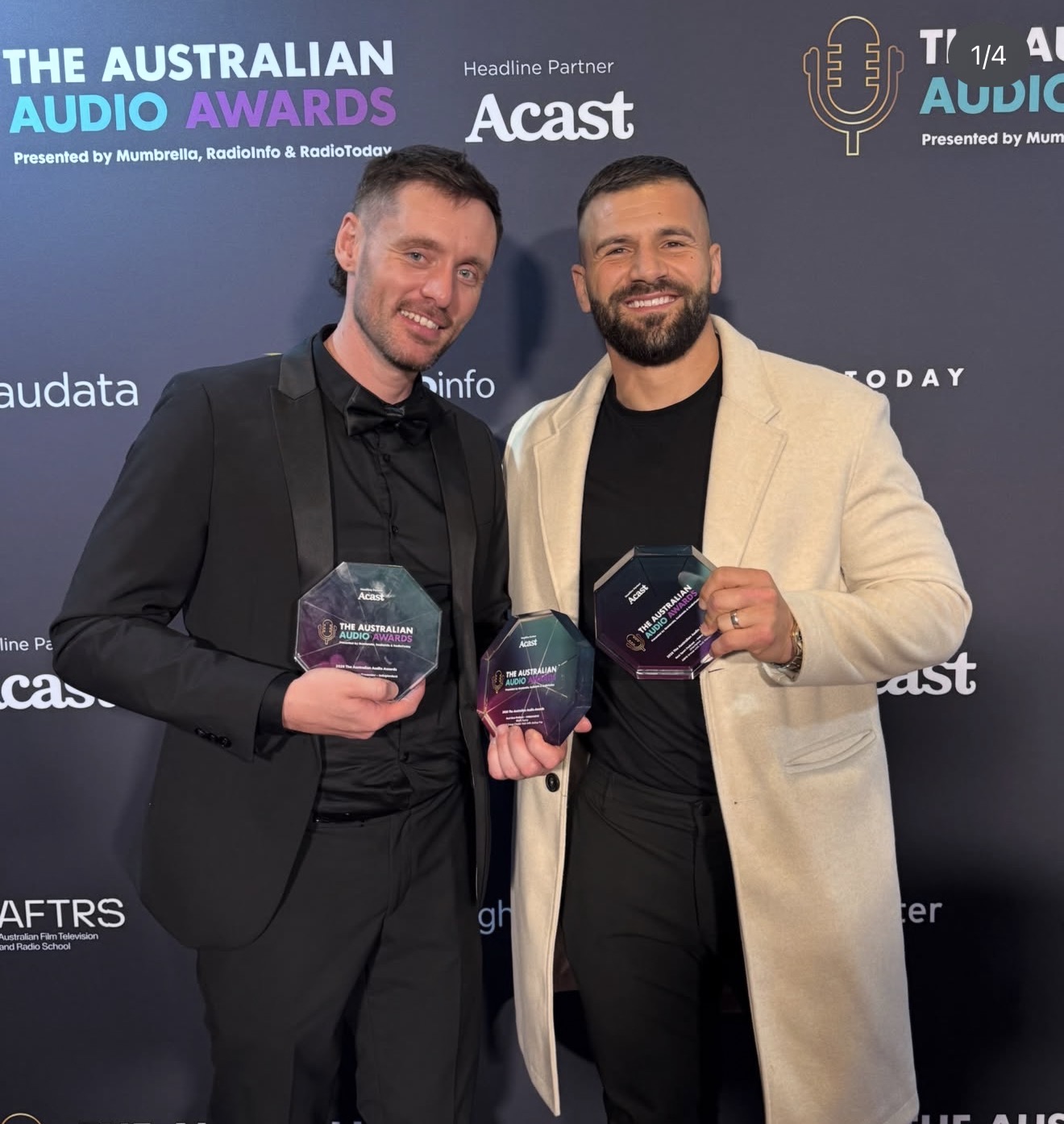
Under their leadership, AIIMS Group was shortlisted at the Mumbrella Awards 2026 for Full-Service Agency of the Year and Award for Culture, recognised as finalists at WebAwards Australia 2026, and nominated four times at the Australian Audio Awards 2026. The agency holds a 4.7-star rating across 247 verified reviews.
15+
Years operating
247
Verified reviews
4
Countries
18+
Industries served
If you are not moving the needle, what are you doing? Real SEO is infrastructure. Anyone can write a report. We build systems that compound.
James Baker, SEO Specialist — AIIMS Group, as featured in The Times Australia
Leads global English-language SEO, AI Overview optimisation, and GEO across all AIIMS markets.
RK
Reem El KudorGlobal SEO / GEO Director — Arabic & MENA
Directs Arabic-language SEO and GEO strategy across Google and AI search in the MENA region.
ES
Elmaz SanchesGlobal SEO / GEO Director — Spanish & LATAM
Directs Spanish-language SEO across Spain and South America, expanding AIIMS into Latin American markets.
In The Press
JB
James BakerSEO Specialist
The Times Australia — accountable marketing strategy.
CY
Charis YapCreative Strategist
FutureFive Australia — digital design and authenticity.
IB
Isabella BenzieAccount Manager
IT Brief Australia — customer experience and clarity.
MW
Marlina WatiBusiness Analyst
IT Brief US — business infrastructure and scaling.
Client Reviews
4.7 stars across 247 verified reviews.
Real clients. Real businesses. Real words. These reviews are pulled from Google and Trustindex. Unedited.
Google Review
★★★★★
Janty and his team have taken us from a small Cryotherapy Clinic to the most popular Cryotherapy Clinic in Sydney. They helped us through their marketing geniuses and creative team. Our bookings have increased by 80%. We cannot thank AIIMS enough for all their hard work.
C
CryoCareCryotherapy Clinic — Sydney, NSW
Google Review
★★★★★
AIIMS have done a lot for our company recently, from revamping the website to managing social and Google Ads. I changed agencies looking for constant communication and I have not been disappointed. Highly recommend AIIMS.
A
Alex MacdonaldBusiness Owner — Sydney, NSW
Trustindex Verified
★★★★★
They take extreme pride in the quality of their work, and hence, Lock & Roll show up brilliantly in the marketplace. A huge thank you to the entire AIIMS Group team.
L
Lock & Roll Trade ServicesWindows & Doors — Sydney, NSW
Trustindex Verified
★★★★★
Been working with the team at AIIMS for a number of years now. Have been with a few marketing agencies in my time, none are as good as the guys at AIIMS. Communication is always spot on, and we have truly built some great friendships along the way.
T
Terry WatsonTrade Services Client — Australia
Trustindex Verified
★★★★★
Rhys and the AIIMS team have been essential to our company’s growth and success. Rhys provides assistance 24/7 and always has a positive attitude. AIIMS have really helped us take our business to new levels. Aiims are second to none and I highly recommend all business owners reach out.
H
Haris OvcinaBusiness Owner — Australia
Trustindex Verified
★★★★★
AiiMS is very attentive, has a fast response to trends in the market, outside-of-the-box thinking and innovative systems and tracking tools that give the small business owner both transparency and control over spend. A joy to work with. Recommend to any business owner who needs help with their Google Ads.
G
Google Ads ClientVerified Google Review — Australia
Award-nominated. Editorially featured. Results-proven. This is why businesses across Australia choose AIIMS Group for SEO, Google Ads, web design and full-service digital marketing.
Published 14 May 2026 | Updated regularly | ~18 min read
Mumbrella Awards 2026: Shortlisted for Full-Service Agency of the Year and Award for Culture | WebAwards Australia 2026: Finalists in two categories
18-minute read
Google does not rank businesses as the “best” simply because they say so. Neither do smart business owners choose an agency based on its own marketing claims. They look for independent proof: editorial coverage in respected publications, shortlists from credible industry bodies, transparent case studies with hard numbers, and a track record built across hundreds of real clients.
This page exists to present that proof for AIIMS Group. Not to claim superiority without basis, but to show exactly why Australia’s most respected media, marketing and technology publications have featured our thinking, why industry award juries have shortlisted our work, and why the clients who trust us with their SEO, Google Ads and digital strategy keep seeing measurable growth.
We operate as a 22-hour global agency with offices in Sydney and Dubai. We don’t have project managers creating bottlenecks. Work goes direct from brief to execution. That structural decision is deliberate, and it’s what lets us deliver fast without cutting corners. Our SEO team doesn’t just report on rankings, they engineer outcomes: more qualified traffic, more leads, more revenue.
If you’re comparing agencies, this article will give you the framework to choose the right one, and the evidence to evaluate AIIMS Group fairly against it.
Section 01
What actually makes an SEO agency the “best”?
The phrase “best SEO agency Australia” gets searched thousands of times each month by business owners who are frustrated with their current situation: invisible on Google, overpaying for ads, working with an agency that sends reports but never moves the needle.
The honest answer is that “best” is contextual. The best agency for a national e-commerce brand is not automatically the best for a local plumber in Parramatta. But across all contexts, genuinely great SEO agencies share the same foundation. Here is what to look for.
1. They measure what matters to your business
A 10% increase in impressions is not a result. Neither is a “green light” on an SEO plugin. As AIIMS SEO Specialist James Baker wrote in The Times Australia:
“If those impressions don’t turn into clicks, and those clicks don’t turn into phone calls, you haven’t succeeded. You’ve just performed expensive maintenance.”
James Baker, SEO Specialist, AIIMS Group — The Times Australia
The agencies that deserve the “best” label are those that connect SEO directly to commercial outcomes: leads, bookings, revenue, qualified phone calls. Everything else is vanity.
2. They have independent editorial credibility
Any agency can publish a blog post calling itself the best. What separates credible agencies is whether publications and journalists choose to feature their thinking independently. Earned editorial coverage in titles like Dynamic Business, FutureFive, IT Brief and The Times Australia is not paid for. It is earned by having something worth saying.
3. They have transparent case studies with real numbers
The best agencies don’t hide behind vague success stories. They publish the challenge, the strategy, the execution and the measurable outcome. Numbers that can be scrutinised, not adjectives that can’t.
4. They have been recognised by the industry
Award shortlists from credible bodies like the Mumbrella Awards and WebAwards Australia signal something important: that independent juries of senior industry professionals considered the agency’s work among the best submitted. These are not self-declared. They require a submission, a judging process, and a jury that includes brand-side marketing leaders from companies like PepsiCo, NAB, The Iconic and Bonds.
5. They evolve with the search landscape
Google is changing faster than at any point in its history. AI Overviews (SGE) are reshaping how informational queries resolve. An agency still optimising for informational traffic volume without rethinking the conversion path is operating on an outdated model. The best agencies anticipate these shifts and adjust before their clients feel the impact.
10+ Years working with Australian trades and SMBs
2 Global offices — Sydney and Dubai
22hr Operating hours across time zones
4 Mumbrella 2026 shortlist nominations
Section 02
Editorial features and press coverage
Being featured in respected publications is not something you buy. It comes from having something genuinely worth publishing. Our team has contributed expert thinking across digital strategy, SEO, customer experience and business growth to some of Australia’s most respected editorial outlets. Here is a summary of recent coverage.
Dynamic Business — Australia’s leading SME publication
AIIMS Group contributors have featured in Dynamic Business‘ popular “Let’s Talk” series, which brings together expert voices from across the Australian business community on topics relevant to small and medium-sized enterprises. Being selected as a contributing voice for this format means competing alongside global company leads from MYOB, Intuit, Logitech, Docusign, SAP, GoCardless and TeamViewer.
Dynamic Business — “Let’s Talk” Series
AIIMS Group contributors have appeared alongside senior voices from MYOB, Intuit APAC, SAP Concur, GoCardless and Docusign in expert roundtables on productivity, performance systems and business growth strategy.
FutureFive Australia — Digital transformation and tech strategy
AIIMS Creative Strategist Charis Yap authored an editorial for FutureFive exploring why authenticity and strategic vision have become the defining differentiators in digital design. Published in March 2026, the piece challenges the industry’s obsession with aesthetics at the cost of function and strategy.
FutureFive Australia — Digital Transformation
By Charis Yap, Creative Strategist, AIIMS Group (Published 6 March 2026)
“The future will depend entirely on how well you can make people remember you by being authentic and using design to build a story. This shift opens up new doors for businesses to be experimental.”
IT Brief Australia — Technology for CIOs and IT leaders
AIIMS Account Manager Isabella Benzie contributed a strategic piece to IT Brief Australia, arguing that customer experience has evolved beyond a support function into a commercially accountable, senior strategic role. The article challenges agencies and CX teams to move beyond reporting dashboards and deliver the context and narrative that connects performance data to business outcomes.
IT Brief Australia — CX and Digital Strategy
By Isabella Benzie, Account Manager, AIIMS Group (Published 4 March 2026)
“CX teams who can clearly explain why something is happening will consistently outperform those who simply report what happened. Our goal is to move beyond the dashboard and act as the strategic bridge between technical performance and real-world business outcomes.”
IT Brief (US) — International reach and global perspective
AIIMS Business Analyst Marlina Wati was featured in the US edition of IT Brief with a piece on structural foundations for sustainable growth, published to coincide with International Women’s Day 2026. The article reached an international audience of CIOs and technology decision-makers.
IT Brief (United States) — AI and Digital Transformation
By Marlina Wati, Business Analyst, AIIMS Group (Published 1 March 2026)
“Growth amplifies both strengths and weaknesses. What works at a small scale may crumble under the pressure of expansion if the underlying systems, processes, and human support are not ready.”
The Times Australia — SME business and commercial strategy
AIIMS SEO Specialist James Baker wrote a widely-shared piece for The Times Australia challenging the SEO industry’s obsession with black-box KPIs that mean nothing to business owners. The article drew on real client results, including a 133% increase in qualified leads and a six-figure revenue boost in six months achieved by rethinking the user journey rather than simply chasing rankings.
The Times Australia — SME Business
By James Baker, SEO Specialist, AIIMS Group
“The future of SEO isn’t just about visibility; it’s about conversion pathing and user psychology. We didn’t just get more eyes; we got more customers, resulting in a six-figure revenue boost in six months.”
Being shortlisted or recognised by an independent industry body is one of the most credible signals of agency quality. You cannot buy a Mumbrella shortlist. You cannot purchase a WebAwards Australia nomination. These come from submitting your work to panels of senior industry professionals and having it assessed against the best work in the country.
Here is where AIIMS Group stands as of 2026.
Mumbrella Awards 2026
Full-Service Agency of the Year
Shortlisted alongside Howatson+Company and Thinkerbell in one of Australia’s most competitive marketing industry award categories. The Mumbrella Awards jury includes over one hundred executive marketing leaders from brands including PepsiCo, NAB, Bonds, The Iconic, Flight Centre and Kraft Heinz.
Shortlisted
Mumbrella Awards 2026
Award for Culture
Shortlisted alongside BMF, Equality Media + Marketing, The Media Store and WiredCo. for the Mumbrella Award for Culture, which recognises agencies building the most genuine and effective working cultures in the Australian marketing industry.
Shortlisted
WebAwards Australia 2026
Web App Category Finalist
AIIMS Group is a finalist in the Web App category for our work on LoanOptions.ai, competing alongside entries built by specialist development studios across Australia. WebAwards Australia recognises excellence in web design, development and digital user experience.
Finalist
WebAwards Australia 2026
Shoestring Website Category Finalist
Our website build for Mr Grout is a finalist in the Shoestring Website category, recognising creativity, careful consideration and innovation within budgets under $15,000. This reflects our ability to deliver high-quality outcomes for SMEs at every budget level.
Finalist
These recognitions span agency culture, full-service capability, web application development and SME-focused digital delivery. Together they validate AIIMS Group’s credibility across the full spectrum of what a modern digital agency does.
The 2026 Mumbrella Awards ceremony takes place on 23 July 2026 at Sydney Event Centre, with judging day on 21 May 2026 at the Hilton Sydney. The full shortlist was published by Mumbrella in May 2026.
Section 04
Measurable client results
Claims without evidence are marketing. Evidence without context is noise. The results below come directly from AIIMS Group client engagements, and each one is grounded in a specific strategic decision, not luck or a rising tide.
133% increase in qualified leads — redirecting traffic intent
One AIIMS client was generating strong organic traffic to a blog. The traffic looked impressive in a dashboard. But it was converting to zero sales. A typical agency would have called this a success and invoiced accordingly.
AIIMS SEO Specialist James Baker identified the real problem: the traffic was informational, not transactional. The fix was not more content or more keywords. It was a systematic rethinking of the user journey, redirecting visitors from reading to contacting, from learning to buying.
The result: 133% increase in qualified leads and a six-figure revenue boost within six months. The SEO strategy did not change the volume of traffic. It changed what that traffic did when it arrived.
23% increase in conversions for a Sydney market leader
A Sydney business was already dominating organic rankings. Most agencies would have treated the retainer as passive income. AIIMS identified local search gaps and service-specific performance gaps that broader rankings were masking. The team personally coded technical optimisations to close those gaps.
The result: 23% increase in conversions, translating to thousands of qualified leads that had not existed before, across the specific suburbs and service areas where the client’s operations were concentrated.
As James Baker explained in The Times Australia: “A business owner doesn’t care if they are #1 for a vanity term; they care if the phone is ringing in the suburbs where their vans are parked.”
LoanOptions.ai — WebAwards Australia finalist
AIIMS Group’s build for LoanOptions.ai was recognised as a finalist at the 2026 WebAwards Australia in the Web App category. This project represents AIIMS’s capability in the fintech space, combining sophisticated web application development with a design and UX philosophy centred on clarity and conversion.
Mr Grout — high-impact delivery at SME scale
Our website build for Mr Grout was shortlisted at WebAwards Australia 2026 in the Shoestring Website category, which recognises exceptional work built on budgets under $15,000. This recognition matters because it reflects something AIIMS believes deeply: quality outcomes are not the exclusive property of large budgets. The right thinking and the right execution can deliver disproportionate results at every scale.
133% Increase in qualified leads — user journey rethink
23% Conversion increase for a Sydney market leader
6mo Time to six-figure revenue boost for one client
2 WebAwards Australia 2026 finalists
Section 05
The team behind the results
Great agency results come from great people. AIIMS Group is built around specialists, not generalists. Every client engagement involves people who know their domain deeply, not account managers who outsource execution and relay feedback.
Here are some of the AIIMS team members whose thinking has been featured in Australia’s leading publications.
JB
James Baker
SEO Specialist — Featured in The Times Australia on conversion-focused SEO strategy. Also a Rising Star finalist at WebAwards Australia 2026.
AIIMS Group’s SEO and digital marketing approach is built around a single principle: results that matter to the business owner, not metrics that look impressive in a monthly report.
Our framework is called HALO Marketing. It is an omnichannel method that treats every channel, SEO, paid search, social, content, web design, as interconnected contributors to one commercial outcome. A client running both SEO and Google Ads with AIIMS benefits from a strategy where organic rankings inform keyword bidding, where landing page conversion rate optimisation improves both paid and organic returns, and where brand-building content reinforces the authority signals that Google’s algorithm rewards.
How we approach SEO specifically
Commercial intent first. We start by mapping the keywords that drive revenue, not just traffic. High-volume informational terms that don’t convert are deprioritised in favour of lower-volume, higher-intent searches that ring phones and fill inboxes.
Technical foundations before content. No amount of blog posts will fix a site with crawling issues, poor Core Web Vitals, or structural indexing problems. We audit and fix the technical layer first.
Local authority where it matters. For trade businesses, professional services and retail clients, local search dominance is more valuable than national rankings. We optimise at the suburb level, not just the city level.
Conversion path engineering. Getting a visitor to the site is step one. Getting them to take action is the step most agencies ignore. We optimise the user journey from landing page to contact form, from product page to checkout.
AI Overview readiness. Google’s SGE is changing the value of informational traffic. We build strategies that capture AI-resistant, high-intent queries and ensure our clients benefit from, rather than lose to, AI-generated answers.
Transparent reporting on what moves the needle. Monthly reports that show impressions and clicks without tying them to leads and revenue are useless. Our reporting connects every metric to commercial impact.
No project managers. No bottlenecks.
One structural decision defines how AIIMS operates differently from most large agencies: we removed the project management layer. Work goes from client to specialist directly. This is not a cost-cutting measure. It is a quality and speed decision. When a client’s landing page needs a change, the SEO specialist who identified the need is the same person who briefs the developer who builds it, without a chain of hand-offs, miscommunication and delays in between.
The result is that AIIMS can turn around landing pages in days, not weeks. It is why our campaign response to shifting search trends is measured in hours, not month-end reporting cycles.
Section 07
Services and what’s included
AIIMS Group is a full-service agency. That means clients on retainer access the complete production suite under one roof, without managing multiple vendor relationships or suffering the coordination costs that come from having separate agencies handle different channels.
SEO
Technical SEO, local SEO, content strategy, conversion path optimisation and monthly performance reporting tied to commercial outcomes.
Google Ads (SEM)
Search, Shopping and Performance Max campaigns managed for lead generation, e-commerce and brand visibility objectives.
Web Design and Development
Fast-turnaround websites and landing pages built for conversion, with technical SEO baked in from the first line of code.
Paid Social
Meta, Instagram and LinkedIn campaigns structured for lead generation, brand awareness and retargeting across the full funnel.
Content and Branding
Brand strategy, copywriting, editorial content, email marketing and in-studio content production including photography and video.
GMB and Local Marketing
Google Business Profile optimisation, local citation building, review strategy and suburb-level SEO for service-area businesses.
Section 08
Industries we serve
AIIMS Group has built specific depth across a range of industries, particularly those where high-intent local search, lead generation and strong brand presence make a direct commercial difference. Our strongest concentrations are in the trade services sector, where we have been operating for over ten years, and in fintech, where our work on LoanOptions.ai has been recognised nationally.
Industry
What we deliver
Key focus
Trades and Home Services
SEO, Google Ads, GMB, web design, call tracking
High-intent local search, phone call leads, suburb-level dominance
Finance and Fintech
Web application development, SEO, paid search, branding
Thought leadership, local search, lead qualification
Hospitality and Food
Social media, GMB, paid social, branding
Foot traffic, brand presence, review management
E-commerce and Retail
Google Shopping, SEO, paid social, email, UX
ROAS, abandoned cart, product page conversion
Health and Wellness
SEO, web design, Google Ads, social media
Booking leads, local visibility, YMYL-compliant content
Property and Real Estate
SEO, paid social, landing pages, branding, video
Lead quality, project launches, investor targeting
Section 09
How AIIMS Group compares to other agencies
Not every agency is built the same way, and we don’t believe in pretending the differences don’t exist. Here is a straight comparison between the AIIMS model and the typical structures you will encounter across the Australian digital agency market.
What to look for
AIIMS Group
Typical large agency
Typical freelancer
Independent editorial coverage in respected Australian publications
Yes — Dynamic Business, FutureFive, IT Brief, The Times
Rarely — usually pays for PR or sponsored content
No
Industry award nominations from independent bodies
Yes — Mumbrella 2026, WebAwards 2026
Sometimes
No
Results reported in commercial terms (leads, revenue)
Yes — standard practice
Often no — impressions and clicks dominate reports
Varies
Direct access to specialists (no PM layer)
Yes
No — account manager and project manager separate you from execution
Yes
Full-service capability under one roof
Yes — SEO, SEM, social, web, branding, content, video, audio
Often yes, but siloed teams
No — limited to specialist’s skills
Global operating hours (22hr)
Yes — Sydney and Dubai offices
No
No
Proven SME and trades experience (10+ years)
Yes
Mixed — many large agencies chase enterprise, deprioritise SMEs
Varies
Section 10
Frequently asked questions
The right agency depends on your goals, your industry and your budget. AIIMS Group is best suited to businesses that want measurable commercial outcomes, not vanity metrics. We work particularly well with trade businesses, professional services, fintech and e-commerce clients who need leads and revenue, not just traffic. The best starting point is a consultation where we look at your current performance, your competitive landscape and where the biggest opportunities are. We’ll tell you honestly if we’re the right fit.
The honest answer is that it depends on your starting position, your competition and your domain’s existing authority. Most businesses in competitive industries should expect to see measurable ranking improvements within three to six months, with stronger commercial results emerging from six to twelve months. Some technical and local SEO improvements can produce results much faster. Anyone promising guaranteed first-page rankings within thirty days is either targeting uncompetitive keywords or misleading you. We set honest expectations and report against them monthly.
Three things primarily. First, we removed the project management layer. Work goes directly between clients and specialists, which means faster execution and less communication distortion. Second, we operate across 22 hours each day with offices in Sydney and Dubai, which gives us speed advantages without compromising quality. Third, we tie every metric to commercial outcomes. We don’t report impressions as success. We report leads, calls, bookings and revenue impact. Our editorial features in Dynamic Business, IT Brief, FutureFive and The Times reflect how our thinking differs from the agency mainstream.
Google’s AI Overviews are fundamentally changing the value of informational traffic. If your SEO strategy is built primarily around ranking for “how to” and “what is” queries, you are likely already experiencing reduced click-through rates as Google answers those questions directly in the search results. Our approach is to shift the centre of gravity toward high-intent, transactional and locally-anchored queries that AI Overviews are less likely to fully resolve. We also optimise for featured in AI Overviews where relevant, which can drive visibility even when traditional organic clicks decline.
Yes. AIIMS Group works with businesses across Australia and increasingly internationally. Our Sydney office is our Australian headquarters, but our operating model does not require clients to be local. Most of our ongoing client work is managed remotely and collaboratively, with regular reporting and strategy sessions conducted virtually. Our Dubai office also allows us to serve clients in the Middle East and manage campaigns that require round-the-clock attention.
Our retainer pricing varies based on the services engaged, the competitiveness of your industry and the scale of the work required. We don’t publish fixed pricing because a plumber competing in Western Sydney has fundamentally different SEO requirements from an e-commerce brand targeting national keywords. What we can tell you is that our pricing is designed to deliver a clear return on investment, and we’ll show you our projections and the assumptions behind them during the proposal stage. The conversation starts with a consultation.
Yes, and this is one of the clearest advantages of a full-service agency. When your SEO and paid search strategies are managed by the same team, the two channels work together rather than competing. Paid search data informs which organic keywords to prioritise. Organic rankings reduce your reliance on paid spend over time. Landing page improvements benefit both channels simultaneously. Managing them separately through different agencies creates coordination costs, communication gaps and missed synergies.
All editorial links in this article point directly to the original published URLs on Dynamic Business, FutureFive, IT Brief, The Times Australia and Mumbrella’s official website. The Mumbrella Awards 2026 shortlist is publicly published at mumbrella.com.au. The WebAwards Australia 2026 finalists are listed at webawards.com.au. We encourage you to verify each source directly. Independent verification is the point.
Ready to stop performing maintenance and start moving the needle?
Speak to an AIIMS strategist about your SEO, Google Ads or digital marketing. No generic pitches. Just an honest conversation about what will actually move your numbers.
Google Published Its AI Search Optimisation Guide — Here’s What It Actually Means | AIIMS GroupSEO
Google Published Its AI Search Optimisation Guide. Here’s What It Actually Means.
AIIMS Group|18 May 2026|7 min read
On 15 May 2026, Google published its first official, detailed guide on how to optimise for its generative AI search features. After two years of speculation, SEO “AI hacks”, and a flood of new buzzwords, Google finally said clearly what works, what doesn’t, and what you can safely ignore. This is a big deal. Here’s the plain-English version.
The search landscape changed. Again.
If you’ve noticed your Google search results looking different lately, you’re not imagining it. AI Overviews, the AI-generated summaries that now appear at the top of search results, already reach over two billion users globally. Google’s newer AI Mode takes it even further, replacing the traditional results page with a full conversational AI interface.
For business owners, this raises an uncomfortable question: if AI is answering the search query before anyone clicks, where does that leave your website? The short answer is that it doesn’t leave you out. But it does change what you need to do to stay visible. And for a long time, no one had Google’s official word on what that actually looked like.
Now they do.
By the numbers
Click-through rates at position one in Google Search dropped from 27% to 11% by early 2026, driven by AI features that answer queries directly on the results page. Getting featured inside those AI responses is the new position one.
What are AEO and GEO? And why does Google say they’re both just SEO?
Over the past two years, the SEO industry generated a wave of new terminology. “AEO” stands for Answer Engine Optimisation. The idea: search is becoming a question-and-answer machine, so optimise for that. “GEO” stands for Generative Engine Optimisation. The idea: AI is generating search results, so you need a separate strategy for that too.
Google looked at both terms and said, essentially: they’re just SEO.
“From Google Search’s perspective, optimising for generative AI search is optimising for the search experience, and thus still SEO.” — Google’s official guide, May 2026
This matters because a lot of agencies and tools have been selling AEO and GEO as entirely separate disciplines requiring separate strategies, separate technical setups, and separate budgets. Google’s position: the same principles that made your site rank well before are the same principles that get you featured in AI Overviews and AI Mode. There is no parallel universe of AI SEO. There is just SEO, done well.
The reason this works technically is how Google’s AI features are built. They use something called Retrieval-Augmented Generation, or RAG. When someone asks a question, Google’s AI doesn’t pull the answer from thin air. It runs a search against the same web index it’s always used, retrieves the most relevant, highest-quality pages, then uses those to generate its response. So if your site ranks in traditional search, it has a path into AI search too.
The key takeaways, in plain English
Here’s what Google’s guide actually recommends. No jargon.
1
Create content no one else has. Google was direct about this being the single most important factor. Not keyword density. Not structured data. Not AI-specific formatting. Content that comes from genuine experience, a real point of view, or expertise you’ve actually earned. A review written from having used a product beats a summary of what other reviews say. Your opinion as a tradie with 15 years on the tools beats generic advice that any AI could generate.
2
Stop producing commodity content. Google specifically called out “7 Tips for First-Time Homebuyers” as an example of what not to do. Content that is common knowledge, restates what everyone else is already saying, or could easily be produced by an AI is exactly what AI search doesn’t need more of. It already knows. You need to say something the AI can’t say.
3
Your technical SEO still matters, a lot. Google’s AI features can only use pages that are already indexed. If your site has crawl issues, slow load times, poor mobile experience, or duplicate content, you’re not getting in front of AI search. The same technical foundations that helped you rank in 2019 still matter in 2026.
4
Local businesses have a specific opportunity. AI responses increasingly pull in local business information, product listings, and Google Business Profile data. If you’re a local service business and your Google Business Profile is incomplete or out of date, you’re handing visibility to a competitor.
5
Images and video are becoming more important, not less. AI-generated responses can now surface images and video alongside text. If your site has high-quality visual content and it’s properly optimised, you have more ways to appear in results, not fewer.
What you can stop worrying about
The guide also addresses a list of widely circulated tactics that Google says you don’t need. This is worth paying attention to, because some of these have been sold hard by vendors over the past 12 months.
Stop doing this
Creating llms.txt files or other AI-specific markup. Google won’t treat them specially.
Stop doing this
“Chunking” content into tiny pieces for AI readability. Google’s systems understand full pages.
Stop doing this
Rewriting your content specifically for AI systems. Write for people. The AI understands synonyms and context.
Stop doing this
Buying or manufacturing inauthentic “mentions” to game AI results. Google’s spam systems apply here too.
Keep doing this
Using structured data as part of your overall SEO strategy. It still helps with rich results.
Keep doing this
Foundational technical SEO: fast pages, clean crawlability, mobile-first, and no duplicate content.
What this means for Australian small businesses right now
If you’re running a trade business, a clinic, a retail shop, or a professional service in Australia, here’s the honest reality: most of your competitors are still doing SEO the old way. Generic blog posts, keyword stuffing, and content that says nothing the searcher couldn’t have found themselves in three seconds. That’s exactly what AI search is designed to skip over.
The businesses that will win in AI search are the ones with real expertise, genuinely useful content, and a solid technical foundation. That’s not a new strategy. It’s the right strategy, done properly, now more important than ever.
There’s also a timing reality. AI Overviews are already live in Australia. AI Mode is expanding. The position zero that once meant the top of the search results page now means being cited inside the AI response itself. That shift is happening whether your strategy is ready for it or not.
Google confirmed what strong AI SEO strategy has always looked like: earn your authority through expertise, keep your technical house in order, and create content that genuinely serves the person searching. There’s no shortcut that gets you there. But there’s a clear path if you’re willing to take it seriously.
The businesses that start now have a real advantage. The ones that wait are going to be playing catch-up against competitors who got there first.
AIIMS SEO Services
Your competitors are already adapting. Are you?
We build AI SEO strategies for Australian businesses that are built to earn visibility in both traditional and AI-powered search. No fluff. No hacks. Just work that actually performs.
Most businesses get burned choosing an SEO agency. Not because SEO doesn’t work — because they hired the wrong people. This guide cuts through the noise: what to actually look for, the right questions to ask, and the warning signs that should stop you in your tracks.
JB
James Baker SEO Specialist, AIIMS Group
As published in The Times Australia 12 min read
The Real Problem
Why choosing the wrong SEO agency is expensive
There are thousands of SEO agencies in Australia. A handful of them will genuinely grow your business. The rest will take your money, send you ranking reports for keywords nobody searches for, and call it a strategy.
The problem isn’t that business owners don’t care. It’s that most people don’t know what good SEO looks like until they’ve already paid for bad SEO. By the time the results fail to materialise, six months and thousands of dollars have gone.
This guide gives you a framework to evaluate any SEO agency before you sign. Use it. Whether you end up working with AIIMS or someone else, these are the standards that separate agencies that deliver from agencies that disappear.
3–6
Months to first meaningful results
$1.5K+
Realistic monthly investment
133%
Lead increase, AIIMS client
4.7★
AIIMS verified review rating
The Standard
What a genuinely good SEO agency looks like
Before you can spot a bad one, you need to know what good actually looks like. Here’s the baseline.
They talk about revenue, not rankings
Rankings are a means to an end. The end is leads, bookings, phone calls, and revenue. A great SEO agency understands this and builds every part of their strategy around commercial outcomes. If an agency’s reporting shows you keyword positions and traffic volume but never connects those numbers to actual enquiries or sales, you’re paying for metrics, not results.
The best agencies in Australia will show you the full picture: where traffic is coming from, which keywords are driving conversions, what the cost per lead looks like compared to paid channels, and how SEO ROI compounds over time. If that conversation makes an agency uncomfortable, that’s your answer.
They have case studies from your industry
Generic SEO experience matters less than specific industry knowledge. A plumber in Parramatta, a dentist in Double Bay, and an eCommerce brand targeting all of Australia have fundamentally different search landscapes. The best SEO agencies bring documented, verifiable results from businesses like yours.
Ask for case studies. Not testimonials — case studies. Specific numbers. Named clients (or at minimum, a named industry and location). Any agency worth hiring should be able to show you at least three examples of outcomes they’ve driven for businesses with similar goals to yours.
“Marketers: forget the black box. If you aren’t moving the needle, what are you doing?”
James Baker, SEO Specialist — AIIMS Group, as featured in The Times Australia
They explain their strategy before you pay
A confident, competent SEO agency will explain their methodology. They’ll walk you through how they approach technical SEO, how they research keywords, how they build content, and how they acquire backlinks. They won’t hide behind vague promises or proprietary systems that conveniently can’t be described.
If an agency can’t or won’t tell you what they’re going to do before you pay them, do not pay them. Transparency is not a premium feature. It’s the minimum standard.
They are recognised by peers and the industry
Independent recognition is a useful credibility signal. Agency shortlists at events like the Mumbrella Awards are judged by independent panels — they reflect work quality, culture, and client outcomes over the long term. Editorial coverage in publications like The Times Australia or FutureFive signals that the people doing the work are considered credible voices in the industry, not just salespeople.
Recognition doesn’t replace results. But it does tell you the agency operates at a level the broader industry respects. It’s a filter, not a guarantee.
AIIMS Group Recognition in 2026
AIIMS was shortlisted at the Mumbrella Awards 2026 for Full-Service Agency of the Year and Award for Culture. AIIMS team members have been published in The Times Australia, FutureFive, IT Brief Australia, and IT Brief US in 2026. AIIMS is also a finalist at WebAwards Australia 2026 in two categories. See the full recognition record.
Your Evaluation Checklist
10 things to verify before you sign with any SEO agency
Print this. Use it in every agency conversation. Any agency that can’t satisfy the majority of these points is a risk you don’t need to take.
Documented case studies with real numbers. Not screenshots of rankings. Revenue, lead volume, conversion rates — from named clients or at minimum named industries with locations.
Clear explanation of their on-page SEO process. How do they approach title tags, meta descriptions, internal linking, and page structure? If they can’t explain this clearly, the work will be shallow.
A defined technical SEO audit as part of onboarding. Site speed, Core Web Vitals, crawlability, indexation, and mobile performance should be assessed before any content work begins.
A keyword strategy built around commercial intent. Ranking for “what is SEO” won’t win you any clients. Your keyword map should be built around what your buyers actually search before they’re ready to spend.
Transparent monthly reporting. You should receive a report that shows keyword movement, organic sessions, and most importantly, how many leads or conversions came from organic search. No black box reporting.
Named contact who will work on your account. You want to know who your SEO specialist is, not just the account manager. Can you speak directly to the person implementing your strategy?
A clear link-building methodology. How do they acquire backlinks? Guest posts, digital PR, niche edits, local citations? Ask specifically what they’ll do and what they won’t. Avoid agencies using private blog networks (PBNs).
Local SEO capability if you’re targeting specific areas. Sydney suburbs, regional QLD, Melbourne CBD — local search requires local strategy. Ask specifically about Google Business Profile management, local citations, and suburb-level content.
Evidence they keep pace with Google algorithm updates. SEO is not set-and-forget. Ask how they adapted strategy after the last major Google core update. Agencies that can’t answer this are flying blind.
A realistic timeline expectation, not a guarantee. No agency can guarantee page 1 rankings. Agencies that do are either lying or targeting keywords nobody searches for. Expect honest 3–6 month projections tied to specific outcomes.
The Interview
Questions to ask every SEO agency before you decide
These aren’t trick questions. They’re the baseline questions any competent agency should answer with confidence. If they can’t, or won’t, that’s the answer.
1
Can you show me a case study from a business like mine?Specifically: same industry, similar size, similar goals. What was the starting point, what did they do, and what were the results 6 and 12 months in?
2
How do you measure success — and how do you report it?The answer should include lead volume, conversion tracking, and revenue impact. If the answer is “we report on keyword rankings and traffic,” push back. Ask how those metrics connect to bookings and revenue.
3
Who will actually be working on my account?Sales team presents, offshore team executes — this is common. Ask to meet the person who will be responsible for your SEO strategy day to day. Ask about their experience and current client load.
4
What does your onboarding look like in the first 90 days?A strong agency should describe a structured process: technical audit, keyword strategy, competitor analysis, content plan, and baseline tracking. Vague answers here predict vague work later.
5
How do you build backlinks, and what do you avoid?This is where shortcuts get exposed. Ask specifically about their link acquisition approach. Private blog networks (PBNs), paid links, and spammy directories will hurt your site when Google catches up, and it always catches up.
6
How do you handle Google algorithm updates?Ask what changed in their process after the last major Google core update. Agencies that stay ahead of algorithm changes protect your rankings. Those that don’t will blame Google when traffic drops.
7
What is your minimum contract term, and why?Six to twelve months is standard and reasonable — SEO takes time. Be wary of very long lock-ins with no performance clauses. Also wary of month-to-month-only offers that suggest lack of confidence in long-term results.
8
What happens to the work if we part ways?All content, backlinks, and technical improvements should remain yours. Some agencies use proprietary platforms where everything disappears when you leave. Understand exactly what you own before you start.
Warning Signs
SEO agency red flags that cost businesses money
These aren’t theoretical risks. They’re patterns that appear repeatedly with agencies that don’t deliver. If you spot three or more of these in a single agency conversation, walk away.
! Guaranteed page 1 rankings. No one can guarantee Google rankings. Not AIIMS, not any agency in Australia, not Google itself. This is either ignorance or deliberate deception. Either way it’s not someone you want managing your online presence.
! Very low pricing with no explanation. SEO under $500 per month is almost always templated, offshore, and built on bulk deliverables rather than strategy. If it’s cheap, ask exactly who is doing the work and what each dollar buys. If you can’t get a clear answer, the answer is nothing useful.
! They rank you for keywords no one searches. Some agencies will boost your rankings for obscure, low-competition, low-volume keywords and report it as success. Ask to see the search volume data for every keyword they’re targeting. If the terms get fewer than 100 searches per month, you’re being managed to look successful on paper.
! Reporting without conversion tracking. If your monthly report shows traffic but no enquiries, calls, or leads attributed to organic search, the agency hasn’t set up proper tracking — or they’re hiding the fact that traffic isn’t converting. Insist on Google Analytics goal tracking and call tracking from day one.
! No mention of technical SEO. Content without a technically sound website is like marketing a house with a broken foundation. If an agency talks only about blogs and backlinks without touching Core Web Vitals, site speed, mobile usability, and indexation, they’re skipping the most important part.
! They won’t tell you who’s working on your account. If every conversation goes through an account manager and you can never speak directly to the specialist doing the work, be cautious. You’re entitled to know who is managing your organic search presence and what their qualifications are.
! You own nothing when you leave. Content published on your website is yours. Backlinks pointing to your domain are yours. If an agency tells you otherwise, or builds your SEO presence on their own proprietary platform, everything disappears when you cancel. Avoid this entirely.
! Sudden spike in backlinks from irrelevant domains. If you can see your backlink profile growing fast with links from unrelated foreign websites, gambling sites, or directories with no real traffic — that is a link scheme. Google penalises this. The short-term ranking bump is not worth the long-term penalty risk.
! They ignore your Google Business Profile. For local businesses — tradies, clinics, restaurants, any service with a physical or service area — Google Business Profile is one of the highest-value SEO assets you have. An agency that never mentions it in your local SEO strategy is leaving significant visibility on the table.
What Good Looks Like in Practice
What the first 90 days with a good SEO agency should look like
Here’s what onboarding should actually involve with any agency worth hiring. Use this as a benchmark.
1
Discovery and business understandingBefore any SEO work starts, the agency needs to understand your business: who your customers are, what they search before they buy, what your competitors are doing, and what commercial outcomes matter most. This is not a 15-minute call. It’s a structured intake process.
2
Technical SEO auditA full crawl of your site to identify issues affecting search engine accessibility. This covers page speed, mobile usability, Core Web Vitals, indexation issues, duplicate content, broken links, structured data, and site architecture. Problems found here get fixed before anything else.
3
Keyword and intent mappingIdentifying the terms your target customers actually search at each stage of the buying journey. High-volume informational terms. Medium-volume commercial terms. High-intent transactional terms. Every keyword should map to a page and a commercial objective.
4
Competitor analysisWho is ranking above you, why, and what will it take to overtake them. This covers their content depth, backlink profile, technical health, and local search presence. The gap analysis informs your content and link-building roadmap.
5
On-page optimisationUpdating and improving existing pages before creating new content. Title tags, headings, meta descriptions, internal linking, content depth, structured data, and image optimisation. Getting existing pages to their best possible state is often the fastest win.
6
Content strategy and productionA forward-looking plan for what new pages, landing pages, and blog content need to be created. Each piece should target a defined keyword cluster, answer a genuine user question, and link strategically to your core service pages. Volume without quality is worthless.
7
Link acquisitionBuilding authority through editorial backlinks, digital PR, local citation building, and strategic partnerships. Quality over quantity. One link from a respected Australian publication is worth more than 50 from irrelevant directories.
8
Measurement and reportingMonthly reporting that shows organic rankings movement, organic traffic, and most importantly: leads, calls, and conversions attributed to organic search. Google Analytics 4, Google Search Console, and call tracking should all be connected from day one.
Know the Difference
SEO vs Google Ads: which should Australian businesses invest in?
This is one of the most common questions business owners ask before they start. The short answer: both, coordinated. But the longer answer matters.
Consideration
SEO
Google Ads
Time to first results
3–6 months
Days to weeks
Cost per click
No per-click cost
Paid per click
Stops when you stop paying
No — results compound
Yes — traffic stops
Trust from searchers
Higher (organic results)
Lower (labelled as ad)
Ideal for new businesses
Slow start — patience needed
Fast visibility from day one
Ideal for competitive industries
Yes — long-term dominance
Yes — but expensive at scale
Works better for local search
Yes — especially with GMB
Yes — Local campaigns
AI Overview visibility
Yes — content signals matter
Not directly
Best combined strategy
Run Google Ads for fast wins while SEO builds momentum. Reduce paid spend as organic grows.
At AIIMS, we don’t present SEO and Google Ads as competing choices. The best-performing clients we’ve worked with over the past 15 years have run both — using paid search to generate immediate leads while SEO builds sustainable long-term organic visibility. Once organic traffic reaches a point where it’s generating consistent leads, ad spend can be reduced or redirected to expansion.
The question isn’t which one. It’s which one to start with given your timeline, budget, and how competitive your market is right now.
Google’s AI Overviews (formerly Search Generative Experience) are already appearing on Australian SERPs for a growing range of queries. For business owners, this is not a reason to panic — but it is a reason to think differently about what content you create and why.
AI Overviews surface answers directly in the search results, sometimes reducing the click-through rate for informational queries. But the agencies claiming SEO is dying because of this are misreading the data. What AI Overviews actually reward is the same thing good SEO has always rewarded: deep, authoritative, well-structured content written by people who know what they’re talking about.
What this means for your SEO strategy
Expertise signals matter more than ever. Content written by named specialists with demonstrated credentials is more likely to be cited by AI Overviews. This is exactly why AIIMS team members publish editorial content in independent media.
Commercial intent keywords still drive clicks. AI Overviews are most common on informational queries. “Best plumber Sydney” and “emergency electrician near me” still generate clicks to ranked pages. Your commercial pages are not under threat from AI Overviews in the same way informational blog posts are.
Structured content is more crawlable. AI systems prefer clearly structured pages with logical headings, concise answers, and supporting detail. This is how AIIMS builds every piece of content for its clients.
Brand recognition protects you. When users see your brand cited in an AI Overview, they’re more likely to click through to your site for the full picture. Building brand authority through content, reviews, and press is a long-term AI search moat.
See AIIMS in Action
Still not sure? Watch this first.
Before you decide whether AIIMS is the right agency for you, watch this. It’s deliberately called “Why You Should NOT Choose AIIMS.” Because we’d rather you choose us for the right reasons than sign up for the wrong ones.
AIIMS Group — Sydney & Dubai. 22 hours. No bottlenecks. No BS.
These are documented outcomes from AIIMS Group client work. Every number below has a named case study attached to it. This is what good SEO, connected to a full digital strategy, can actually deliver for an Australian business.
+ Flowsafe Plumbing — $5M+ in attributed revenue. Starting from $800 a day in wasted Google Ads spend. AIIMS rebuilt the entire digital stack: 13+ landing pages, 14+ live campaigns, call tracking, photography, and a new website. 8,361 conversions at an average CPC of $5.83. Read the case study.
+ 133% increase in qualified leads for a client through user journey rethinking and commercial-intent keyword strategy. Not more traffic — better traffic.
+ 23% increase in conversions for a Sydney market leader by closing local search gaps and optimising their Google Business Profile alongside organic content.
+ Six-figure revenue increase within six months by shifting SEO strategy from high-volume generic terms to high-intent, commercial-focused keyword clusters.
+ LoanOptions.ai — 300% increase in overall revenue from organic and SEM combined, with cost per lead brought to $1.00. WebAwards Australia 2026 finalist for the platform AIIMS built. See the case study summary.
Quick Answers
Frequently asked questions
What should I look for in an SEO agency in Australia? +
Look for documented client results from businesses like yours, transparent reporting tied to commercial outcomes like leads and revenue, a clear technical SEO process, and a keyword strategy built around commercial intent rather than traffic volume. Independent recognition from industry bodies and editorial publication are useful credibility signals.
How much does SEO cost in Australia? +
SEO retainers in Australia typically range from $1,500 to $6,000+ per month depending on your industry’s competitiveness, the size of your website, and the scope of work. Beware of agencies offering SEO under $500 per month — at that price point, the work is usually templated and unlikely to deliver meaningful commercial outcomes.
How long does SEO take to work in Australia? +
Expect meaningful results within 3 to 6 months for most industries. Highly competitive sectors like legal, finance, and medical can take 6 to 12 months. An agency that promises page 1 rankings within 30 days is either targeting zero-volume keywords or misleading you.
Should I choose a local Sydney SEO agency or a national one? +
For businesses targeting local customers, working with an agency that understands your specific market — the suburbs, the competition, the search intent — is a genuine advantage. National agencies can work well for broader campaigns, but local expertise matters for local SEO. AIIMS Group is based in Strathfield, Sydney, and has delivered results across every Sydney suburb.
What is the difference between SEO and Google Ads? +
SEO builds long-term organic visibility that compounds over time at no per-click cost. Google Ads delivers immediate paid traffic that stops when you stop spending. The best strategies use both channels in a coordinated way — SEO for sustained growth, Google Ads for fast wins and demand capture. AIIMS refers to this as the HALO Marketing approach.
Are SEO award nominations a reliable indicator of agency quality? +
Shortlists at respected industry bodies like the Mumbrella Awards are a meaningful credibility signal — they are judged independently by peers, not self-nominated. They indicate an agency operates at a recognised professional standard. They are one data point in your decision, not the whole picture. Combine them with case studies, client reviews, and your own conversations with the team.
Does AIIMS Group work with small businesses? +
Yes. AIIMS Group has been built around small and medium Australian businesses for over 15 years. Our largest client vertical by volume is Australian trade businesses — plumbers, electricians, builders — alongside health, finance, hospitality, and eCommerce. We support 70–80% SMB clients by volume.
Ready to find the right SEO agency?
Start with a free audit. AIIMS will assess your current organic performance, identify the gaps, and show you exactly what a results-focused SEO strategy looks like for your business.
174% more conversions. 266% more revenue. From a standing start to market leader — this is what a year of serious Google Ads and SEO work looks like.
IndustryGate Automation
LocationMelbourne, Australia
ChannelsGoogle Ads / SEO
ComparisonYoY May 24 vs May 25
Scroll
Year on Year Growth
May’24 – Apr’25
337
May’25 – Apr’26
922
+174%
Conversions
May’24 – Apr’25
$105K
May’25 – Apr’26
$385K
+266%
Conversion Value
May’24 – Apr’25
21.5K
May’25 – Apr’26
29.6K
+38%
Clicks
May’24 – Apr’25
1.07M
May’25 – Apr’26
1.89M
+76%
Impressions
May’24
762
Apr’26
1,907
+150%
Organic Keywords
The Challenge
An eCommerce store competing in a specialised market.
Powered Gates Australia sells and installs premium gate automation products nationally. The challenge: a niche product category, high-intent but low-volume search terms, and an eCommerce model where every click needs to convert.
01
Niche Category, High Stakes
Gate motors and automation accessories are considered purchases. Search volume is limited but intent is high. Every impression counts and every click needs to be the right buyer.
02
Performance Max + Shopping
The account needed a dual strategy: a Performance Max campaign to capture broad intent across Google’s surfaces, and a branded campaign to defend existing demand and maximise return.
03
Organic Authority from Scratch
The site was new. Ranking for competitive gate automation terms required a methodical SEO programme — technical foundations, targeted content, and consistent optimisation over 12 months.
04
National Scale, Local Install
Powered Gates sells Australia-wide online but also installs in Melbourne. The strategy needed to serve both audiences — eCommerce buyers nationally and installation leads locally.
What We Did
The work behind the numbers.
Year-on-year growth doesn’t happen by accident. Here’s what the team executed across Google Ads and SEO to drive a 174% lift in conversions.
Google Ads
Performance Max Optimisation
Continuous refinement of asset groups, audience signals, and product feed quality. The PMax campaign scaled from 337 total account conversions in Year 1 to 922 in Year 2 — driven by smarter asset testing and tighter audience inputs.
Google Ads
Branded Campaign Defence
A dedicated branded search campaign was built to capture and protect high-intent brand searches. With a 29.5% CTR, it ensures budget is spent efficiently on buyers who already know the brand.
Google Ads
Product Feed Management
Shopping feed quality was a priority. Product titles, descriptions, and pricing were aligned to how buyers actually search — improving impression share and purchase-intent match across the catalogue.
SEO
Technical SEO Foundations
Site architecture, canonical tags, schema markup, Core Web Vitals, and crawlability were all addressed to give the site the authority foundation it needed to rank competitively.
SEO
Content and Category Pages
Keyword-targeted content was built across product category pages, blog posts, and buying guides. This drove rankings for terms like “swing gate automation,” “bft gate motor,” and “boom gate” — products with real purchase intent.
SEO
Local SEO for Melbourne
Installation-focused pages and location signals were built to capture Melbourne-based leads searching for local gate installation and fabrication services alongside national eCommerce traffic.
Google Ads — YoY
From 337 conversions to 922. In one year.
Two active campaigns. Continuous optimisation. A Performance Max campaign doing the heavy lifting, backed by a branded campaign locking in the easiest wins.
922
Conversions (Y2)
+174% YoY
$385K
Revenue (Y2)
+266% YoY
29.6K
Clicks (Y2)
+38% YoY
1.89M
Impressions (Y2)
+76% YoY
$0.97
Avg. CPC (Y2)
Efficient
1.57%
CTR (30d)
Active
Conversion Value — Year on Year
Year 1 (May’24–Apr’25)
$105K
Year 2 (May’25–Apr’26)
$385K
Conversions — Year on Year
Year 1 (May’24–Apr’25)
337
Year 2 (May’25–Apr’26)
922
Search Engine Optimisation
762 keywords to 1,907. Organic built to last.
1.9K
Organic keywords now ranking
1,502
Monthly Organic Visits
$2.3K
Traffic Value
+150%
Keyword Growth YoY
+97%
Traffic Growth YoY
Through consistent SEO work. Technical fixes, keyword-targeted content, and local authority building — all compounding to drive organic growth that runs alongside paid.
Performance Max and branded campaigns built around purchase intent. Continuous optimisation, asset testing, and product feed management driving a 174% YoY lift in conversions.
02
Shopping Feed Management
Product titles, attributes, and feed quality continuously refined to improve match rate with buyer search terms and improve Shopping placement quality scores.
03
Search Engine Optimisation
From 762 to 1,907 organic keywords. Technical foundations, category page content, blog targeting, and local SEO for Melbourne installation leads — all compounding over 12 months.
04
Content Strategy
Buying guides, product comparison articles, and installation FAQs written to rank for high-intent terms and support the sales journey for considered-purchase buyers.
05
Technical SEO
Site architecture, Core Web Vitals, schema markup, canonical tags, and crawlability improvements to give the site the technical authority it needed to compete in a national market.
06
Performance Reporting
Monthly reporting across both channels with clear YoY benchmarking — so the client always knows exactly what’s working and where the growth is coming from.
Your AIIMS Lead
Account Manager
Aidan Smyth
Aidan manages the Powered Gates Australia account at AIIMS — overseeing the Google Ads and SEO strategy that delivered a 266% year-on-year lift in conversion value. His focus is making sure every campaign decision is backed by data, and every organic effort compounds toward long-term growth.