Generative Engine Optimisation Services.
Help people find and trust your business across Google’s AI features, ChatGPT, Gemini and Perplexity. First, we review what customers need to know. Then, we improve the facts, pages and proof that support their choice.
Our generative engine optimisation services also join SEO, useful content and clear reports. As a result, your team can see what needs work and how to track change.
Help people find the right facts.
Generative Engine Optimisation, or GEO, helps a business improve the facts and content used in AI-assisted search. First, we look at the questions your customers ask and the pages they can find.
For example, a buyer may want to compare two products before they choose. For this reason, they need clear facts, useful advice and proof they can check.
We also review how your brand, services, people and products appear across the web. Then, we set out the page changes and data checks that matter most.
Google’s AI features still rely on sound SEO. However, other AI services may use different sources, so we assess each one within the agreed plan.
What does a GEO service help you do?
- Give people clear answers. Start with the facts buyers need. For example, show what a product does and who it suits.
- Support each claim with proof. Use real results, named experts and sound sources. Also, make the date and scope clear.
- Make the next step easy. Help people compare, enquire or buy. Then, check that the page and forms work well.
- Track change over time. Review the same checks each month. As a result, your team can see progress and spot gaps.
How SEO, GEO and AEO fit together.
| Discipline | Main focus | Practical contribution |
|---|---|---|
| SEO | Help people find useful pages in search. | First, fix access, page quality and links. These remain part of sound SEO. |
| GEO | Improve the facts and proof behind AI-assisted search. | Also, review how the brand appears and which sources link to it. |
| AEO | Give clear answers to customer questions. | For example, explain how a service works or compare two useful options. |
These terms overlap. Therefore, we agree on the work, owners and goals before the plan starts.
Eight parts. One clear plan.
First, we find the gaps that affect your buyers. Then, we rank the work and agree who will do it.
Set a start point
First, choose the questions that matter to your business. Then, record where your brand appears and which sources show up.
Keep the facts clear
Next, use the same core facts about your business, people and products. Also, check names, service areas and contact details.
Check access and links
Make key pages easy to reach and read. For example, fix broken links, page errors and blocks that should not be there.
Help buyers choose
Answer the questions that shape a sale. For instance, explain costs, product features, service steps and common points of doubt.
Add proof people can check
Use real case studies, expert advice and source data. Also, state when each result was measured and what it covers.
Match the data to the page
Use the right schema and product feeds where they help. However, the data must match what people can see on the page.
Build trust beyond your site
Earn useful reviews, press coverage and links from sound sources. Also, keep your business details up to date.
Track useful changes
Finally, review search data, AI traffic and agreed sales or lead goals. Then, use the findings to choose the next task.
A useful audit. A plan you can act on.
A clear record of the start
First, you get the agreed questions, markets, sources and findings. Also, each record has a date so later checks have a sound base.
A ranked list of work
Each task has a clear goal, owner and next step. As a result, your team can see what needs to happen first.
Reports tied to business goals
We also keep search reach, AI traffic and sales data in clear groups. Then, we review what changed and where more work is needed.
Read the work. Check the proof.
From AI links to site visits and tracked sales.
For example, the published Uniden case study covers SEO, GEO, product facts and agentic commerce. It also reports separate figures for AI links, site visits and sales.
These figures come from the case study dated 14 July 2026. However, their time periods differ. Therefore, they do not show that GEO alone caused the sales.
Read the Uniden case study ↗Skycon Air
For example, see how search and AI reach fit a local service business. Also, review the work behind the published results.
Explore Skycon Air ↗Brillare Electrical
Similarly, explore the pages and brand facts behind this AI search case study. Then, assess how the work relates to your own goals.
Explore Brillare Electrical ↗Genesis Middle East
Review an audit of vehicle facts across regional markets. For example, see how product and market details shape the plan.
Explore Genesis Middle East ↗All client work
Browse more work by industry and business goal. In addition, compare projects that use different parts of the AIIMS team.
Explore All client work ↗Track reach, traffic and sales with clear measures.
Check how people find the brand
| Measure | How we check it | What it means |
|---|---|---|
| Google AI impressions | Use the Generative AI performance report in Search Console when it has data for your site. | This shows how often links appeared in supported Google AI features. However, an impression is not a sale. |
| Sampled AI answers | Repeat the same agreed questions. Also, record the date, market, language and AI service. | This shows what appeared in the sample. It does not cover every answer a person could receive. |
| Facts and sources | Check brand details and links to source pages. Then, record errors, gaps and facts that need a review. | This helps show whether key facts are right. For example, a service area or product detail may need a fix. |
Check what happens after the visit
| Measure | How we check it | What it means |
|---|---|---|
| AI referral traffic | Review visits that site data can link to an AI service. Also, look at the pages people use. | This shows the traffic we can identify. However, some visits have no clear source. |
| Leads and sales | Check tracked forms, sales and revenue. Then, review how the site assigns credit for each result. | This shows recorded actions where tracking allows. It does not prove which single task caused a sale. |
Keep the facts right in each market.
Connect GEO to Australian SEO
First, build on the pages and product facts your local buyers need. Also, keep service areas and business details clear.
Explore AI SEO Australia ↗Plan for the UAE and GCC
Check each market’s services, products and language needs. Then, link the regional work to your wider brand plan.
Explore AI SEO Dubai ↗Help people research and buy
Also, keep product facts, stock details and buyer policies clear. In addition, check the path from the product page to checkout.
Explore agentic commerce ↗A clear path from audit to action.
Agree the goal
First, choose the products, services and buyer questions that matter. Confirm the markets and data we can use.
Find the gaps
Next, review search results, sampled answers and key pages. Record missing facts, weak proof and access issues.
Set the work plan
Then, rank the tasks by their business value and effort. Agree the scope, owners and order of work.
Make useful changes
After that, update the pages, fix errors and improve links. Each task also has an owner and a clear check.
Check the live work
Before the next review, test what went live. Also, make sure page data matches the facts people can read.
Review and improve
Finally, compare the agreed data with the start point. Use the findings to guide the next round of work.
19 confirmed wins. The work behind every one.
The wins span websites, social campaigns, podcasts, paid media and the team behind the work. Also, each card links to the award story so you can review its scope.
Swipe, scroll or use the arrows to explore.
Web Excellence Awards
These wins cover Seasons 18 and 19. They also include work across websites, digital experiences and social campaigns.
See the award record ↗Australian Podcast Awards
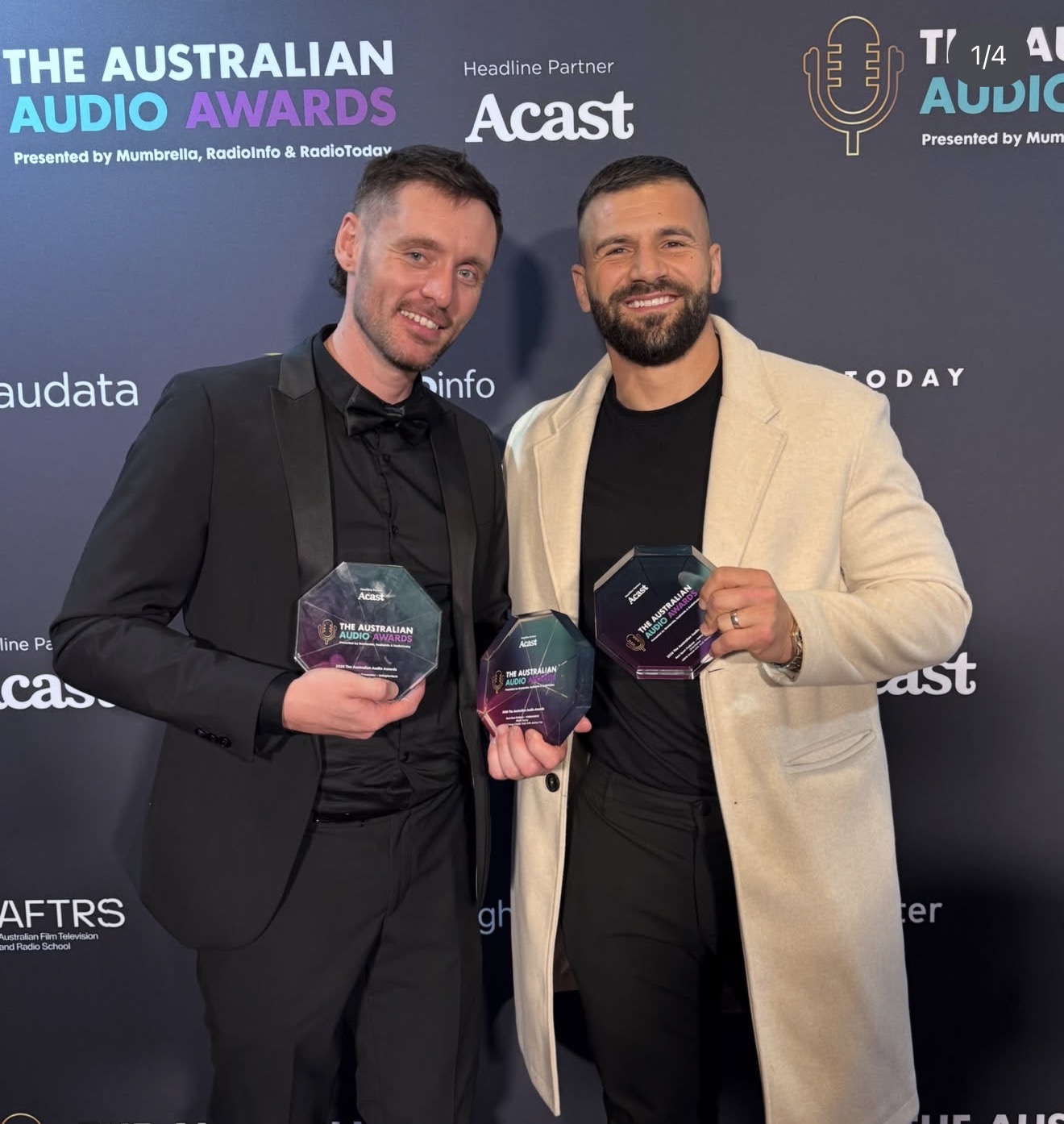
These wins recognise the AIIMS Creator Hub show portfolio. For example, the award record links each win to the work.
See the award record ↗Marquee campaign wins
For example, GemIQ won for ecommerce and Gebal Group won for paid media. Each result also has its own case study.
See the award record ↗Stevie Award 2026
A Bronze Stevie recognises Employer of the Year in Advertising, Marketing and Public Relations. It also reflects the people behind the work.
See the award record ↗Meet the people behind the work.
Founded in 2010, AIIMS brings brand, search, media, content and web teams together. As a result, your plan can draw on the skills your business needs.
Performance managers
Meet the people who connect your goals to the work. Also, see how they guide the client relationship.
Explore Performance managers ↗ChangeMakers
Explore advice from the people doing the work. For example, watch practical ideas from search, content and media teams.
Explore ChangeMakers ↗Corporate statement
You can also read about the group, its skills and its business details. In addition, review the facts used for supplier checks.
Explore Corporate statement ↗All case studies
Browse real client work and reported results. Then, find examples that fit your industry or goals.
Explore All case studies ↗Useful guides and current advice.
AI features and your website
Read Google’s guidance on SEO and AI search. It also explains the role of useful pages and clear facts.
Explore AI features and your website ↗Generative AI search guide
Explore Google’s guide to these search features. For example, it explains why special AI files are not needed for Google Search.
Explore Generative AI search guide ↗Choosing an SEO agency
Compare the skills, proof and service fit behind a proposal. Then, use the guide to ask better questions.
Explore Choosing an SEO agency ↗Research and knowledge
Explore the wider AIIMS research library. Also, review ideas and reports that relate to your business.
Explore Research and knowledge ↗The questions worth asking.
What are generative engine optimisation services?
These services help a business improve the facts, pages and proof used in AI-assisted search. First, we review what buyers need to know. Then, we plan useful changes across SEO, content and site data.
Is GEO replacing SEO?
No. Sound SEO still matters for Google’s AI features. GEO also looks at how a brand appears across other AI services, which sources link to it and what happens after a person visits the site.
Can AIIMS guarantee an AI citation or recommendation?
No. AI services choose their own sources and answers. Therefore, no agency can promise a place in an answer. Instead, we improve the information within your control and track the changes we can observe.
Do I need special schema or an llms.txt file for Google?
Google does not require special schema or AI text files for its AI search features. However, accurate schema can still support eligible search features. Therefore, any such data should match the facts shown on the page.
How do you measure GEO results?
We review the data available for your business. For example, this can include Google AI impressions, sampled answers, AI traffic and tracked leads or sales. We also state each measure’s source and time period.
What is the difference between GEO and AEO?
The terms overlap. In our work, for example, AEO focuses on clear answers to buyer questions. Meanwhile, GEO covers the wider work on brand facts, useful sources, proof and AI search checks. Both can work alongside SEO.
Can you support more than one market?
Yes. First, we agree on the countries, languages and products or services in scope. Then, we check the facts and buyer needs in each market. This helps the plan reflect local details.
How long does GEO take?
We start with an audit and a ranked work plan. After that, we make the agreed page and site changes. The time needed to see results varies because search services, competition and site access all play a part.
What do we receive from a GEO audit?
You get a dated record of the key questions, sampled answers, sources and site gaps. In addition, the audit sets out the work, owners and checks needed to move the plan forward.
Can AIIMS carry out the work?
Yes. For example, the scope can include SEO, content, web changes, product data and reports. Also, we agree on access, owners and delivery steps before work starts. As a result, each task has a clear route to completion.
Find out what your buyers can see—and what is missing.
First, review the questions, pages and proof that matter to your business. Then, agree on a useful plan with clear tasks, reports and next steps.
Prepare your enquiry
Choose your goal and market. Then, copy the brief and add it to your enquiry.
You can also select and copy the text. Then, use the contact page to send your enquiry.
Generative Engine Optimisation (GEO) is the process of improving your brand’s visibility across AI-powered search platforms such as ChatGPT, Gemini, Claude, Perplexity and Google AI Overviews.
Traditional SEO focuses on search engine rankings. GEO focuses on improving how AI systems discover, reference, cite and recommend your brand within generated answers.
While no agency can guarantee inclusion, GEO strategies improve the likelihood of AI systems recognising, referencing and citing your business as a trusted source.
No. GEO works alongside SEO. Strong websites, structured content, authority signals and technical optimisation remain critical foundations for AI visibility.
Our GEO strategies are designed to improve visibility across ChatGPT, Google AI Overviews, Gemini, Claude, Perplexity and future AI-powered search experiences.