Ecommerce performance marketing.
Win the customer. Earn the next order. Build a business that can keep growing.
AIIMS connects paid media, product feeds, creative, SEO, conversion and customer retention around your commercial goals. The starting point is your catalogue, margins and customers. The outcome we work towards is sustainable online growth.
For established retailers, direct-to-consumer brands and specialist B2B ecommerce businesses.

What is ecommerce performance marketing?
Ecommerce performance marketing connects measurable advertising with the store experience and customer lifecycle to grow online sales. It brings together acquisition, product data, creative, conversion and retention, with success assessed against revenue, customer acquisition cost and contribution margin.
AIIMS builds the connection between those moving parts. Your advertising team, creative team and developers work towards the same priorities: which customers to acquire, which products to promote and what the business can afford to spend.
- Acquire the right customers
- Convert more demand
- Improve repeat purchase
- Measure commercial value
Your next stage of growth needs the whole store working.
Automated campaigns still need accurate inputs, compelling creative and a store that gives customers confidence. Product visibility, stock availability, delivery costs and the first purchase experience all influence what happens after the click.
Give the platforms better direction.
Set purchase goals, check conversion values and organise the catalogue around commercial priorities. Separate new customer growth from existing demand so budget decisions have context.
Make choosing easier.
Answer product questions, show delivery and returns clearly, improve mobile usability and build offers that make sense for the customer and the margin.
Plan for the second order.
Use purchase behaviour to shape relevant follow-up, accessories, replenishment and win-back campaigns. The right lifecycle depends on what customers actually buy.
What our ecommerce performance marketing services cover.
The channel mix follows the opportunity. We build the scope around the work your business needs, with clear responsibility for strategy, delivery and measurement.
Commercial strategy and market intelligence
Review customer demand, competitors, average order value, stock and margins. Set product priorities and trading plans using your business data alongside AIIMS Intelligence and relevant market context.
Google Ads, Shopping and Performance Max
Connect product feeds, Search and Performance Max to appropriate purchase goals. Review search demand, brand activity, product groups and budget allocation as part of your broader performance marketing strategy.
Meta and demand generation
Build product discovery and purchase campaigns across relevant social placements. Test audiences, product angles and creative formats, with YouTube and TikTok considered where your audience and production capacity support them.
Product creative and video
Show the product in use, answer objections and explain why it deserves the order. Connect demonstrations, creator content, photography and short-form variations with a structured testing plan. Explore our performance video production.
Ecommerce SEO and AI discovery
Improve collection architecture, product information, internal links and crawl access. Build useful buying guides and accurate structured data, supported by our GEO and AI discovery services.
Store development and conversion
Improve navigation, product comparison, landing pages and the path to checkout. Prioritise changes using device-level behaviour and funnel data. For Shopify businesses, connect this work with our Shopify growth services.
Email, SMS and retention
Build welcome, cart recovery, post-purchase and reactivation journeys for eligible customers. Segment by product, purchase history and engagement, with email marketing linked to the trading calendar.
Measurement and international growth
Reconcile store sales with advertising and analytics reporting. When entering new markets, review currencies, delivery, local buying behaviour and product suitability before increasing spend.
Your product feed deserves the same care as your shopfront.
A campaign can only work with the product information it receives. We review the connection between your store, Merchant Center and advertising catalogue so customers see accurate, useful information.
Product accuracy and eligibility
- Product titles, categories and useful attributes.
- Brand, GTIN and MPN information where applicable.
- Variant accuracy, including size, colour and model.
- Price, sale price and availability consistency.
- Product imagery, destination pages and disapproval causes.
- Shipping, returns and promotion information.
Commercial merchandising
- Group products by stock, margin and sales priority.
- Distinguish hero products, bundles and accessories.
- Use suitable custom labels to support campaign decisions.
- Review performance at product and category level.
- Align sale creative, feed pricing and landing pages.
- Review how catalogue updates reach each channel.
A practical example: your best-selling item may have a smaller contribution margin than an accessory bundle. We examine that difference before treating both products as equally valuable advertising conversions.
Give the customer a clear reason to buy. Then a reason to return.
Creative with a purpose
Build each concept around a real buying question: how it works, who it suits, what makes it different or why the offer matters. Test the opening, demonstration and call to action as distinct decisions.
A product page that sells
Bring specifications, benefits, authentic reviews, delivery information and returns into a clear mobile experience. Use bundles and comparisons when they help the customer make a decision.
A useful customer lifecycle
Help new customers use their purchase, recommend relevant additions and time follow-up to the buying cycle. Track the customers who return and the value of those later orders.
Different products. Different markets. Results you can inspect.
Each case study has its own campaign scope and reporting period. Follow the links for the approach and supporting detail.
GemIQ and GemLightbox.
A specialist jewellery technology campaign used separate journeys for Western ecommerce buyers and relationship-led GCC audiences. The work won Best Digital Campaign in Ecommerce at the 2026 Marquee Awards.
Award campaign reporting period: under four months.
Read the award campaign story →Renolink EOFY.
A focused Performance Max and branded Search structure supported a 14-day retail sale. The published results include both campaign types and the established demand captured by brand advertising.
17–30 June 2025 · Figures in AUD.
See the campaign breakdown →Uniden Australia.
Technical SEO, useful category content and structured product information supported a broader AI discovery program. Its published case study reports citations, referral traffic and Agentic Storefront sales as separate measures.
Case study reporting date: 14 July 2026. Measures cover different reporting windows.
Explore the Uniden evidence →These are historical client results. Your opportunity depends on your category, budget, product economics and starting position.
View all AIIMS case studies →The awards. The work behind them.
Scroll or swipe through selected recognition across ecommerce, performance marketing, web development and our team.
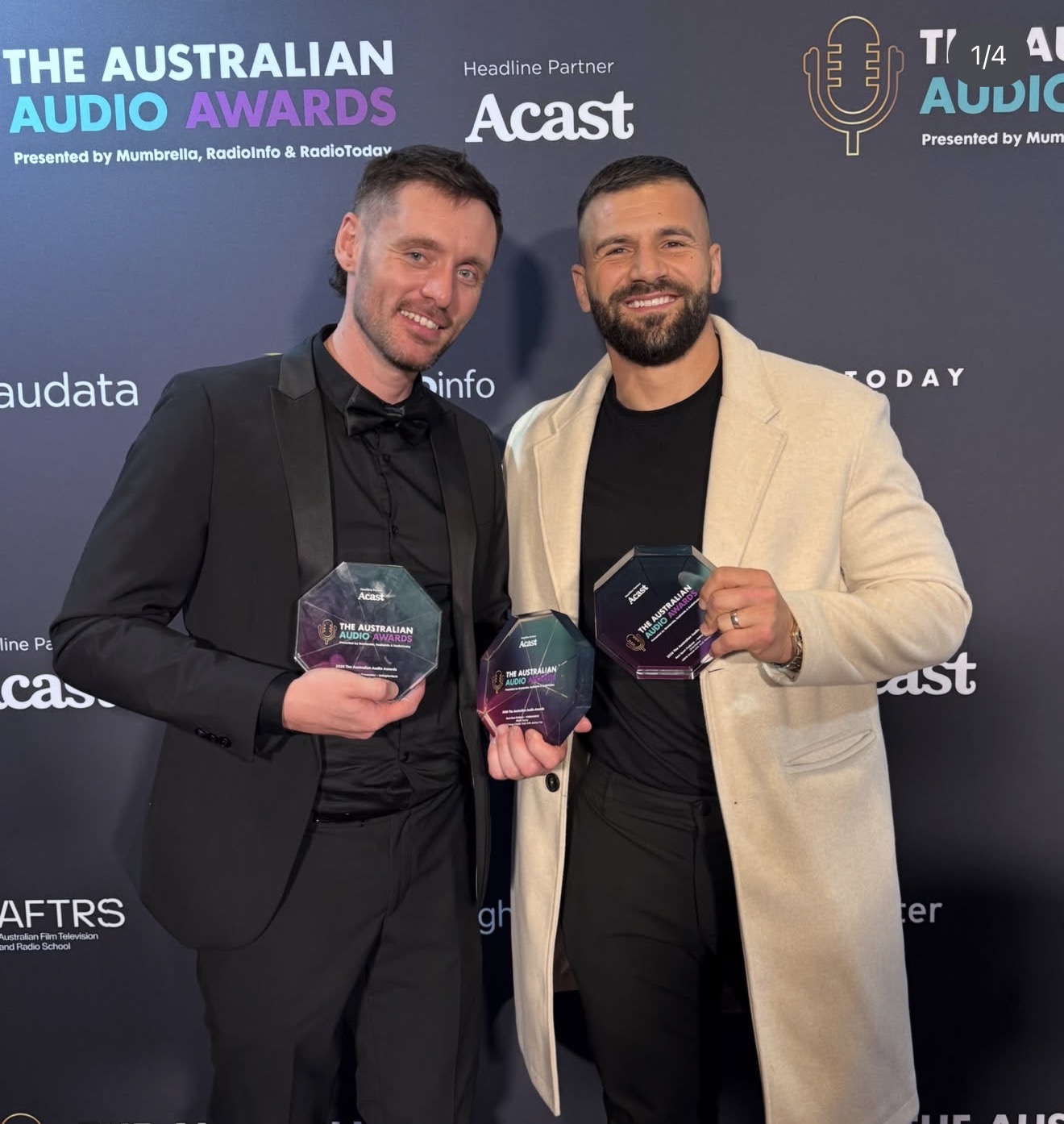
Best Digital Campaign in Ecommerce.
GemIQ’s global campaign, recognised for work connecting product discovery with verified sales.
Read the organiser’s record ↗Websites recognised across industries.
Nine new client website wins announced in September 2026, following four wins in the preceding season.
Explore the winning websites →Technical Excellence in Performance Marketing.
Gebal Group’s campaign recognition adds a B2B performance example to the group’s ecommerce work.
Read the Gebal award story →Employer of the Year.
Recognition in Advertising, Marketing and Public Relations, supporting the people behind the group’s delivery.
Explore the award record →A useful report tells you what to do next.
We assess channel performance alongside store revenue, refunds, acquisition cost and customer value. Advertising platforms can claim credit for the same order, so their reported revenue needs to be reconciled with your store data.
| Measure | What it tells us | The decision it supports |
|---|---|---|
| ROAS | Attributed advertising revenue divided by ad spend. | How efficiently a campaign converts the demand credited to it. |
| Blended efficiency | Store revenue against a clearly defined advertising or marketing cost base. | Whether total growth justifies the total investment. |
| New customer CAC | Agreed acquisition costs divided by new customers acquired in the period. | What the business can afford to pay to acquire a customer. |
| Contribution after advertising | Net sales less product costs, agreed variable costs and advertising. | Which products, offers and channels support viable growth. |
| Conversion and order value | Purchase rate and average order value, with a consistent data source. | Where to improve the shopping journey and merchandising. |
| Repeat purchase and value | Customer cohorts, later orders and value over a defined period. | How much retention contributes and when acquisition costs are recovered. |
What is a good ecommerce ROAS? It depends on your economics. If a hypothetical store retains 30% of sales after product and other variable costs, it needs about 3.33× ROAS to cover advertising from that contribution. Overheads, agency fees and a profit target increase the required return. We set targets using your actual costs.
A clear sequence from diagnosis to growth.
The work starts with access, evidence and priorities. Timing depends on your store, integrations and agreed scope.
Find the constraints.
Review trading goals, historical performance, catalogue quality, tracking and the customer journey.
Your output: a prioritised growth plan, measurement baseline and clear responsibilities.
Improve the foundations.
Address priority feed and measurement issues, structure campaigns, build creative and improve key buying journeys.
Your output: agreed launches, a creative test plan and visibility of the changes delivered.
Follow commercial evidence.
Review product-level performance, customer acquisition and retention. Expand investment where the economics support it.
Your output: budget recommendations, a testing backlog and progress against business goals.
Prepare your products for AI-assisted discovery.
Help people and platforms understand what you sell, who it suits and why it is relevant.
Our approach connects accessible product pages, accurate product data, useful comparisons and consistent business information. Eligible structured data and product feeds support that foundation. We then assess measurable referral traffic and sales where the available reporting allows.
Google’s AI search features use established SEO foundations. We review eligibility under each platform’s requirements. Product discovery and shopping capabilities vary by platform and market.
Explore GEO and AI discovery →The people and infrastructure to connect the work.
Established in 2010, AIIMS Group brings together 120 specialists across five team countries. Sydney and Dubai are key operating centres, with capability spanning performance media, search, creative, production, web, ecommerce and analytics.
Your scope can draw on those disciplines around one commercial plan. That matters when a performance problem needs a feed fix, a stronger product demonstration or a better customer journey.
Ecommerce performance marketing FAQs.
What does an ecommerce performance marketing agency do?
An ecommerce performance marketing agency connects customer acquisition with the store experience and measurement. AIIMS can bring together paid advertising, product feeds, creative, SEO, conversion improvements and retention, according to your agreed scope.
Which advertising channels should an ecommerce brand use?
The right mix depends on product demand, purchase behaviour, margin, budget and creative capacity. Google Shopping and Search can capture existing demand. Meta, YouTube and TikTok can support discovery and consideration. We assess each channel against your business goals.
Can you help improve an existing Shopify store?
Yes. Our Shopify growth services connect store development, product information, SEO, conversion and marketing. We first identify whether the priority is traffic quality, the buying journey, measurement or customer retention.
How do you set an ecommerce advertising budget?
We assess your acquisition target, product margins, average order value, repeat purchase behaviour and available demand. The budget also needs to support useful testing. Media spend, agency scope, production and development should be defined separately in the proposal.
How long does it take to see results?
That depends on your starting point and the work required. Campaigns need reliable tracking, suitable creative and sufficient data to assess performance. Feed repairs, development and SEO have different timelines. We agree milestones after reviewing the account and store.
Why can a strong ROAS still produce weak profit?
ROAS compares attributed revenue with advertising spend. It does not automatically account for product costs, discounts, delivery, returns, fees or overheads. We examine those costs and distinguish new customer acquisition from demand that already exists.
Can AI discovery generate ecommerce sales?
It can contribute to product discovery and referral traffic, and some platforms support shopping experiences. Availability varies by platform and market. AIIMS’ Uniden case study reports AI citations, referral sessions and Agentic Storefront revenue with their reporting context.
Can you support international ecommerce campaigns?
Yes. We review local buying behaviour, language requirements, delivery, currency and product suitability alongside media strategy. The GemIQ campaign shows why direct online purchasing and relationship-led buying can require different journeys.
What do you need to review our ecommerce business?
Start with your store URL, target markets, catalogue, current monthly advertising spend and commercial goals. Access to relevant store, advertising and analytics accounts helps us assess performance. Product margins and repeat purchase data make the recommendations more useful.
Let’s look at what your ecommerce business can do next.
Bring us your store, your numbers and your ambitions. We’ll discuss the constraints, the opportunities and the work needed to move forward.