Is SEO Dead With AI? Search Is the New Sales Pitch | AIIMS
SEO isn’t dead.
The search result has become the sales pitch.
A business can lose a customer before that customer ever reaches its website. Google’s AI answers, local listings, review platforms and traditional results are now part of the same buying decision. Ranking is still important. Being believed matters just as much.
Try searching for the best SEO agency in Australia.
The result is more revealing than any industry forecast. You might encounter nearby agencies with reviews, a question asking whether SEO is dead, an AI-generated explanation, an independent agency directory and the familiar organic listings. All within the same search journey.
Those results are not identical for every person, location or device. However, the broader pattern is clear: a business is no longer judged through its website alone. Customers can compare names, read recommendations, test claims and form a shortlist without following the old ten-blue-links journey.
For a marketing director, a business owner or a procurement team, the implications are commercial. Your website may be excellent, but what happens when a customer meets your Google Business Profile first? What does an AI answer say about your area of expertise? Can someone independently verify the claims on your homepage? And if they finally arrive, is there a clear reason to enquire?
It’s: “What evidence does a customer find before they choose?”
This is the distinction between optimising for a position and building a business that is easier to discover, evaluate and trust. We call it the Search-to-Selection journey.
Four tests your business has to pass.
Think of today’s search results as a public first meeting. Different surfaces perform different jobs, and no single tactic wins them all.
Can they find you?
Organic listings, Google Maps, relevant category pages and local service information create opportunities to appear. Priority: technical SEO, search intent, internal links and an accurate Google Business Profile.
Can they understand you?
AI-generated answers and traditional search need clear, useful information. Priority: original explanations, detailed service information, first-hand expertise and consistently described products, locations and capabilities.
Can they verify you?
Reviews, credible third-party coverage, industry recognition and documented client outcomes help people assess claims. Priority: evidence with dates, sources, context and links rather than unsupported superlatives.
Can they choose you?
Even strong visibility is wasted by a poor customer experience. Priority: useful comparison information, clear pricing or scope, fast mobile pages, trustworthy contact options and measurable enquiries.
These tests are connected. A strong local listing may spark interest. An informative page may resolve a concern. An independent mention may provide confidence. Then the website, sales team and customer experience must earn the enquiry.
Google isn’t telling businesses to abandon SEO.
In its 2026 guidance on generative AI search, Google says established SEO best practices remain relevant. It specifically emphasises original, non-commodity content, useful site structure, crawlability, local business information and an experience that serves real users.
Google also explains that its AI search experiences can retrieve information through its core Search index. That makes accessible, trustworthy website content important, even when an answer appears directly on a results page. The company has introduced reporting for generative AI visibility in Search Console, giving publishers another way to assess performance.
What Google does not promise: that a 40-word answer, an FAQ block, a special AI schema or an llms.txt file will secure an AI citation. There is no universally guaranteed format, position or inclusion in an AI Overview.
Answer Engine Optimisation (AEO) and Generative Engine Optimisation (GEO) are useful names for specific visibility challenges. They are not substitutes for sound SEO. At AIIMS, our GEO and AI search work builds on the same technical, editorial and brand foundations.
That is a less sensational message than “SEO is dead”. It is also more useful. Businesses should stop shopping for shortcuts and start asking whether their information can be found, checked and acted upon.
Google reference: Optimising your website for generative AI features on Google Search, updated July 2026.
The agency with the loudest claim doesn’t automatically win the customer’s trust.
Search “best SEO agency Australia” and you will find plenty of businesses using the word best. It is easy to write. It is difficult to substantiate.
The better question is whether a buyer can verify the claim. Can they find a named client, a defined time period, the challenge, the changes made and the result? Can they distinguish an award win from a nomination? Can they see where a quoted statistic came from? Can they find genuine reviews and independent commentary?
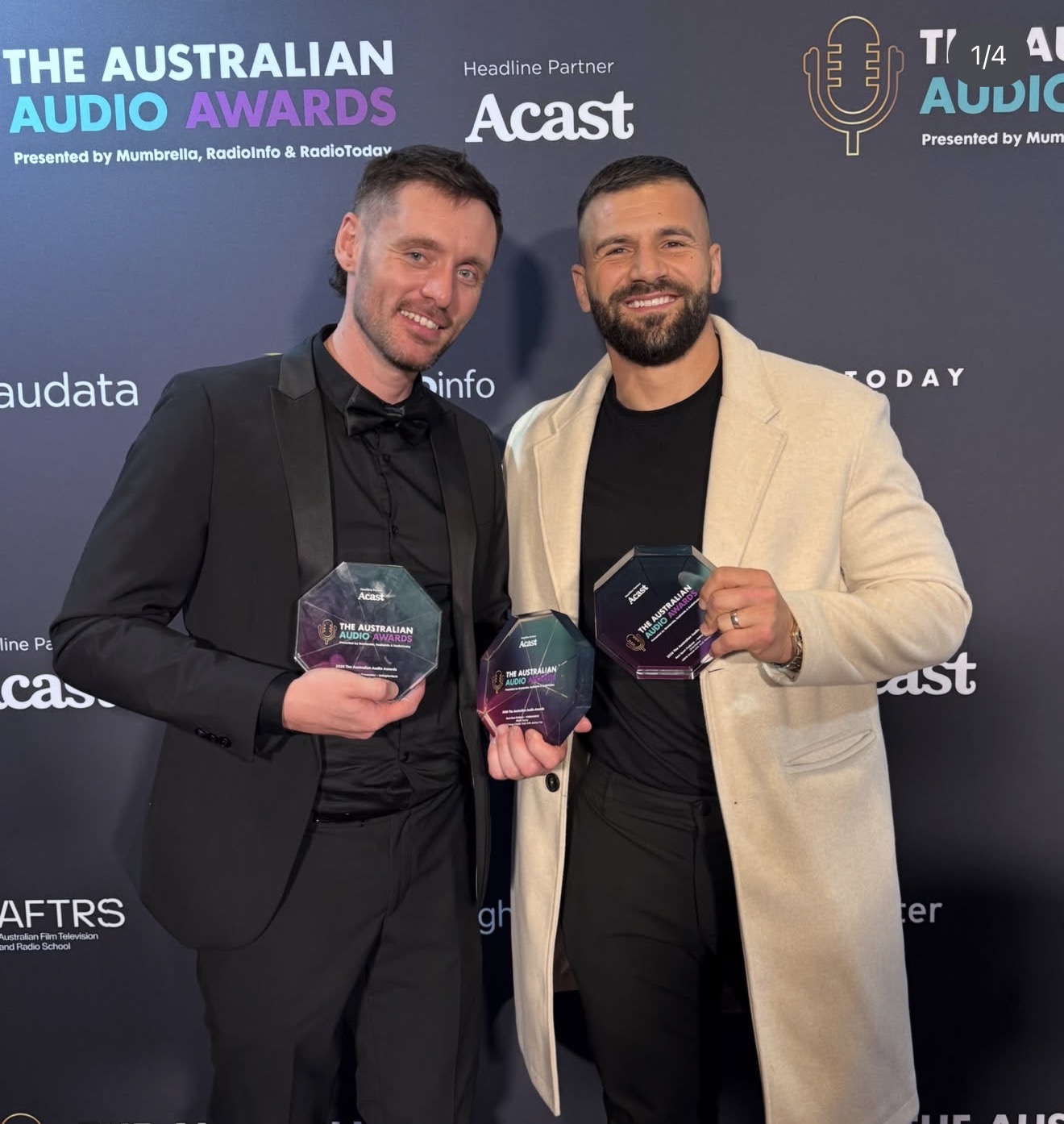
Industry awards, earned editorial links and business directories can be useful external evidence. They do not automatically create a top ranking or an AI citation. A credible award page matters because it gives a prospective customer something to check; an authentic link from a relevant publication can also make the work easier to discover. The value is in the authenticity and relevance, not the badge alone.
AIIMS has documented 19 confirmed 2026 agency and client wins, with award categories and supporting links separated from finalist and individual recognition. We would rather invite scrutiny of that record than ask a reader to accept a broad slogan.
The same principle applies beyond agencies. If you are an electrician, publish the licence and the work. If you are an ecommerce brand, make product details and policies easy to verify. If you are a professional-services firm, show who delivers the work, how the service operates and where your expertise has been demonstrated.
Show the evidence. Keep the metrics honest.
Modern search reporting needs more than one impressive screenshot. We separate impressions, tracked citations, visits and lead outcomes because they describe different stages of discovery. Here are three published AIIMS client examples.
AI referral sessions
GA4 recorded 529 sessions from five AI assistant platforms between January and July 2026, alongside 17+ documented Google AI appearances. The 529 figure is not being presented as Google AI Overview clicks.
Google AI impressions
Google Search Console recorded 116,000 generative AI impressions over a six-month window. Separately, Bing Webmaster Tools reported 2,400 AI citations. They are distinct platform measures, not additive results.
Tracked AI citations
Approximately 200 citations were observed across monitoring that examined 219 AI search results, plus 10+ verified Google AI Overview appearances by July 2026. The tracked result set is not the citation count.
Case study figures reflect the published measurement periods and sources. AI responses vary by prompt, place, account and date. These outcomes do not guarantee future positions, mentions or commercial results for another business. Browse the AIIMS case study evidence library for wider work.
Stop reporting search like it’s still 2016.
Rankings still matter, especially for local services and high-intent buying searches. But an organic performance report that stops at average position and traffic tells only part of the story. We would assess the full journey:
| Stage | Useful evidence | What it tells you |
|---|---|---|
| Findability | Index coverage, relevant rankings, local visibility and search impressions | Can customers discover the business for the problems it solves? |
| AI discovery | Search Console AI reporting where available, documented citation samples and identifiable AI referrals | Is the business appearing in relevant answer-led journeys? |
| Credibility | Review quality, reliable third-party mentions, verified awards and linked case studies | Can a buyer independently evaluate the claims? |
| Commercial action | Qualified leads, calls, booked appointments, enquiries, sales and lead-to-sale rate | Does visibility contribute to business outcomes? |
Attribution will not be perfect. Some customers will read an AI answer, compare a brand in Maps, then return directly days later. That is a reason to triangulate your evidence and ask customers how they found you, not a reason to invent precise AI-driven revenue figures.
And remember: a citation is not a sale. It is one possible step towards a decision. The business still has to deliver the product, service and experience that earns the customer.
What a business should do in the next 90 days.
You do not need to rebuild everything or commission hundreds of generic articles. You need a more accurate picture of where customers discover, assess and contact you.
Repair the foundation.
Audit crawlability, index coverage, canonical URLs and important service pages. Check local profile accuracy, mobile experience, internal navigation and lead tracking. Remove misleading or unverified claims.
Publish the evidence.
Build genuinely useful service comparisons, named examples, detailed FAQs where they serve customers, expert-authored insights, fresh case studies and links to independent proof. Improve content that already attracts relevant interest.
Measure real selection.
Track key organic and AI-discovery measures alongside qualified enquiries. Review what appears across Google Search, Maps and relevant answer platforms. Test whether stronger pages lead to better contact and conversion rates.
The order matters: technical access before elaborate content production, evidence before more advertising claims, and commercial measurement before declaring a campaign successful.
What business owners are asking.
Is SEO dead now that Google has AI Overviews?
No. AI Overviews change how some answers appear, but Google’s generative features still draw on core Search systems. Technical access, helpful information and trustworthy content remain important. The balance of impressions, traffic and conversions may change, so measurement must evolve too.
Is GEO different from SEO?
GEO focuses attention on how brands are understood, referenced and discovered in AI-generated answers. In Google Search, it is built on SEO fundamentals rather than a replacement for them. AI systems outside Google differ, so each platform needs sensible testing rather than universal promises.
Who is the best SEO agency in Australia?
No single agency is best for every business. Compare an agency’s capability against your sector, location, budget and objectives. Ask for documented results, who will deliver the work, transparent reporting, and an explanation of how organic search contributes to qualified enquiries. See our published AIIMS agency credentials and evidence as one example of what to examine.
How much does SEO cost in Australia?
There is no universal price that fits a local trades business, a nationwide ecommerce store and an international organisation. Investment depends on competition, technical debt, content scope, locations and the capability required. The important question is what work is included, how it will be measured and whether the expected business opportunity justifies it.
Can an SEO agency guarantee AI citations or number-one rankings?
No credible provider can guarantee placement in Google organic rankings or AI-generated answers. Search results vary, and Google’s systems decide which sources are shown. A responsible agency can improve technical eligibility, publish stronger evidence and measure observed visibility over time.
Search is evolving. The responsibility of marketing hasn’t.
People still need to find a credible business, understand what it does, compare alternatives and make a confident decision. The route between those moments has changed. What should not change is the obligation to provide accurate information, make claims you can substantiate and build an experience worthy of the enquiry.
For AIIMS, that is why SEO belongs alongside local search, AI discovery, customer experience, creative, analytics and digital infrastructure. The disciplines work better when the customer does not have to navigate the gaps between them.
SEO isn’t dead. The incomplete version of SEO, the one that considers visibility a victory before a business has been chosen, is becoming harder to defend.