From content
to commercial
search.
One business. Three markets. Three ways to turn what happens in the real world into content that helps customers find, understand and choose you.
Singapore / Thailand / New Zealand
The content
was there.
The difference
was seeing it.
A film can sell a service. A customer interview can explain a business. A delivery photograph can reveal a story nobody thought to tell.
For Alsco Uniforms, AIIMS Group connected those moments to a wider content-to-SEO strategy across Singapore, Thailand and New Zealand. The starting materials were different. The discipline was the same: find the customer truth, understand the commercial question and build a useful destination around it.
The work connects production, local teams, customer experience, website design and search. It gives each story a role beyond the post that first carried it.
The proof is in the destinations. Explore the films, website captures and published pages below to see how each content source became a wider commercial opportunity.
Directed
production.
Control the set, light, sound and interview. Then make the investment work across the website, search and sales.
See the system ↗Locally led
video.
Use the team’s own language and working knowledge to answer questions customers actually ask.
See the system ↗Customer-led
discovery.
Listen to the feedback. Notice the post. Follow the detail into a story, a service and a wider topic.
See the system ↗The brief was video.
The opportunity
was bigger.
Purposeful sets. Considered lighting. Clear voices. Real customers. Every detail had a job.
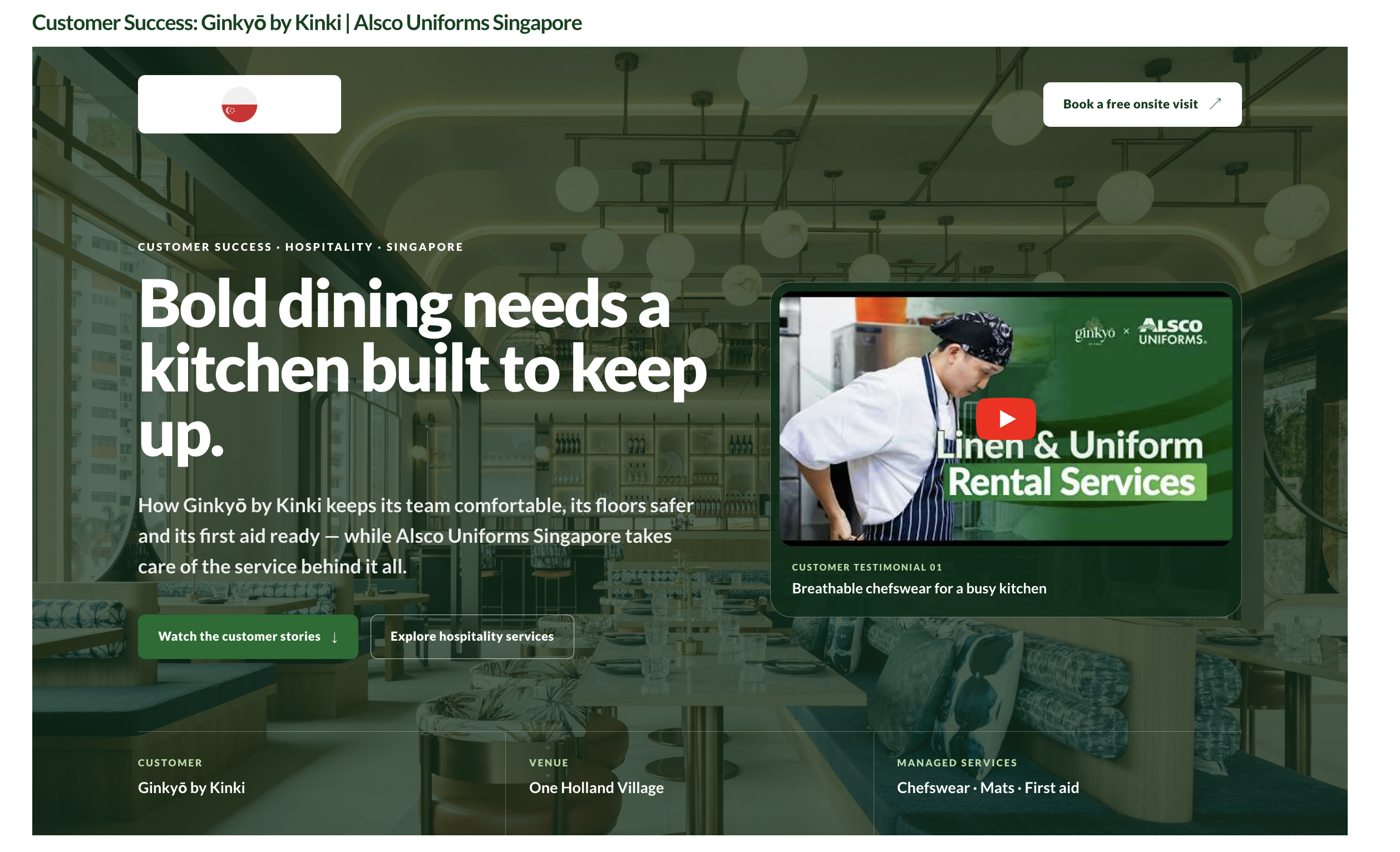
AIIMS travelled to Singapore to produce high-level performance video content for Alsco Uniforms. By planning around real service environments and customer voices, the production also created the foundations of a new customer success content vertical.
The customer stories did more than fill a video library. They gave the website recognisable businesses, specific service examples and first-hand explanations that a prospect could investigate.
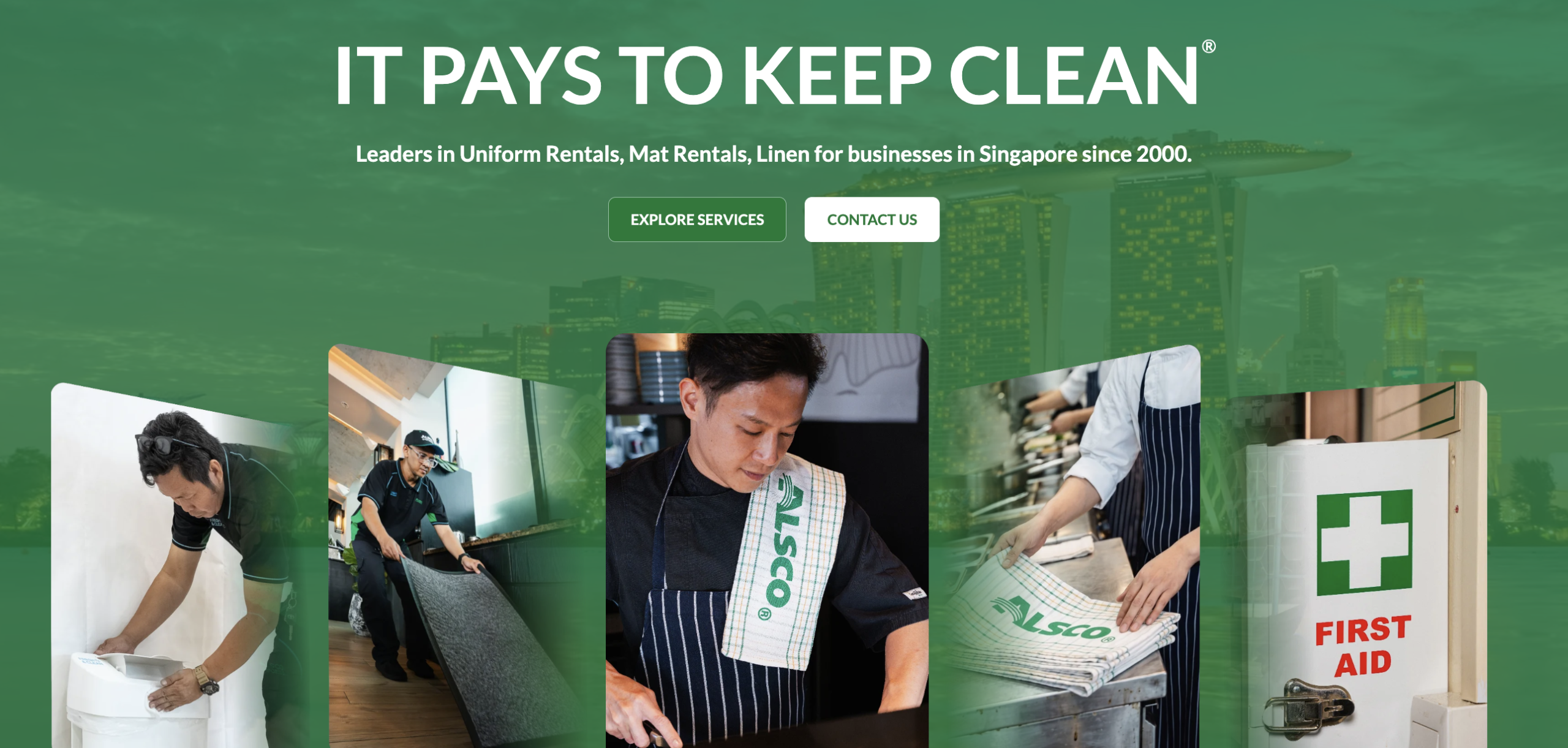
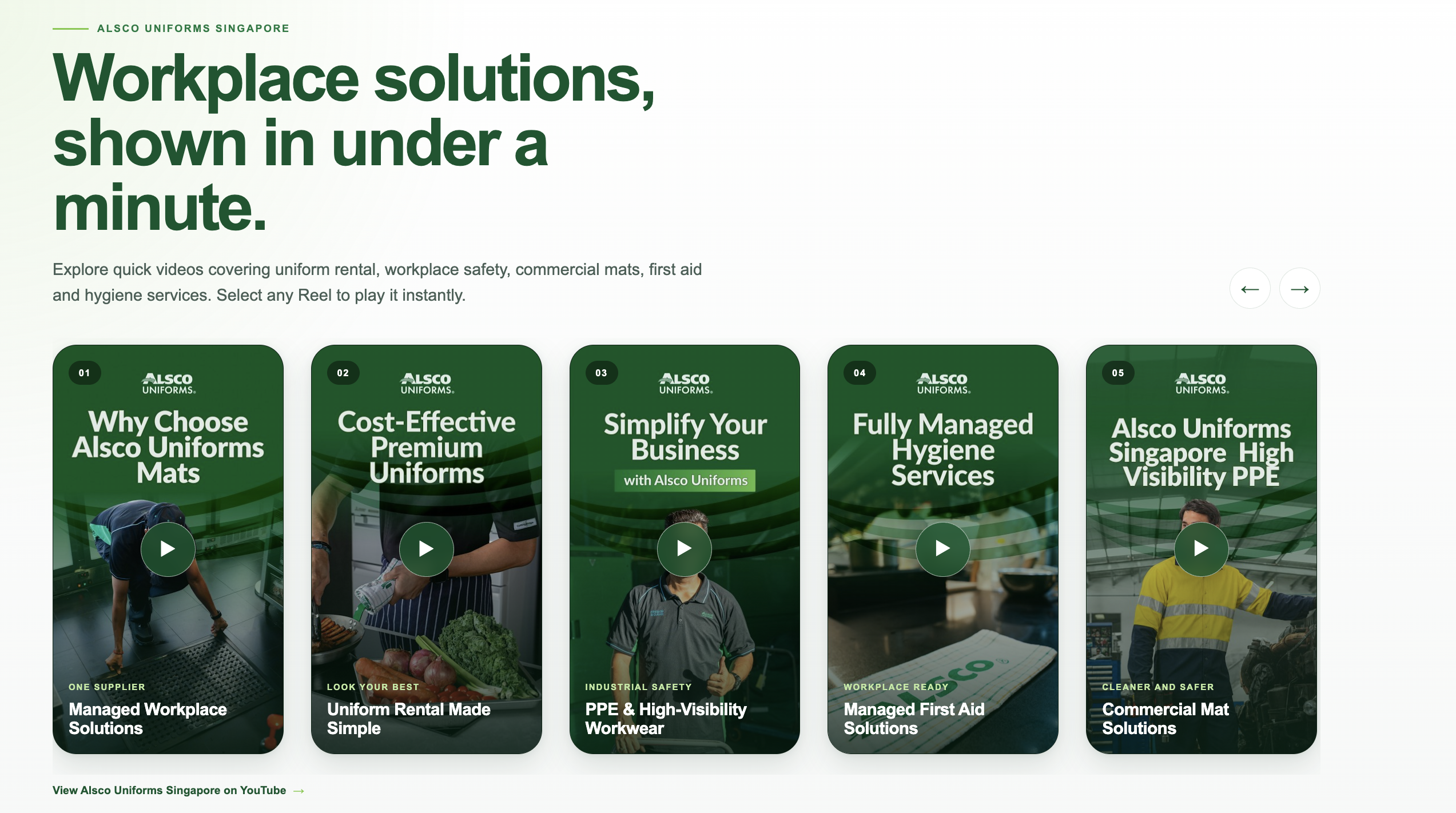
Explain the service while attention is there.
Short service films make the offer easier to explore. Photography and video become part of the buying experience, with links and calls to action carrying the visitor into relevant services.
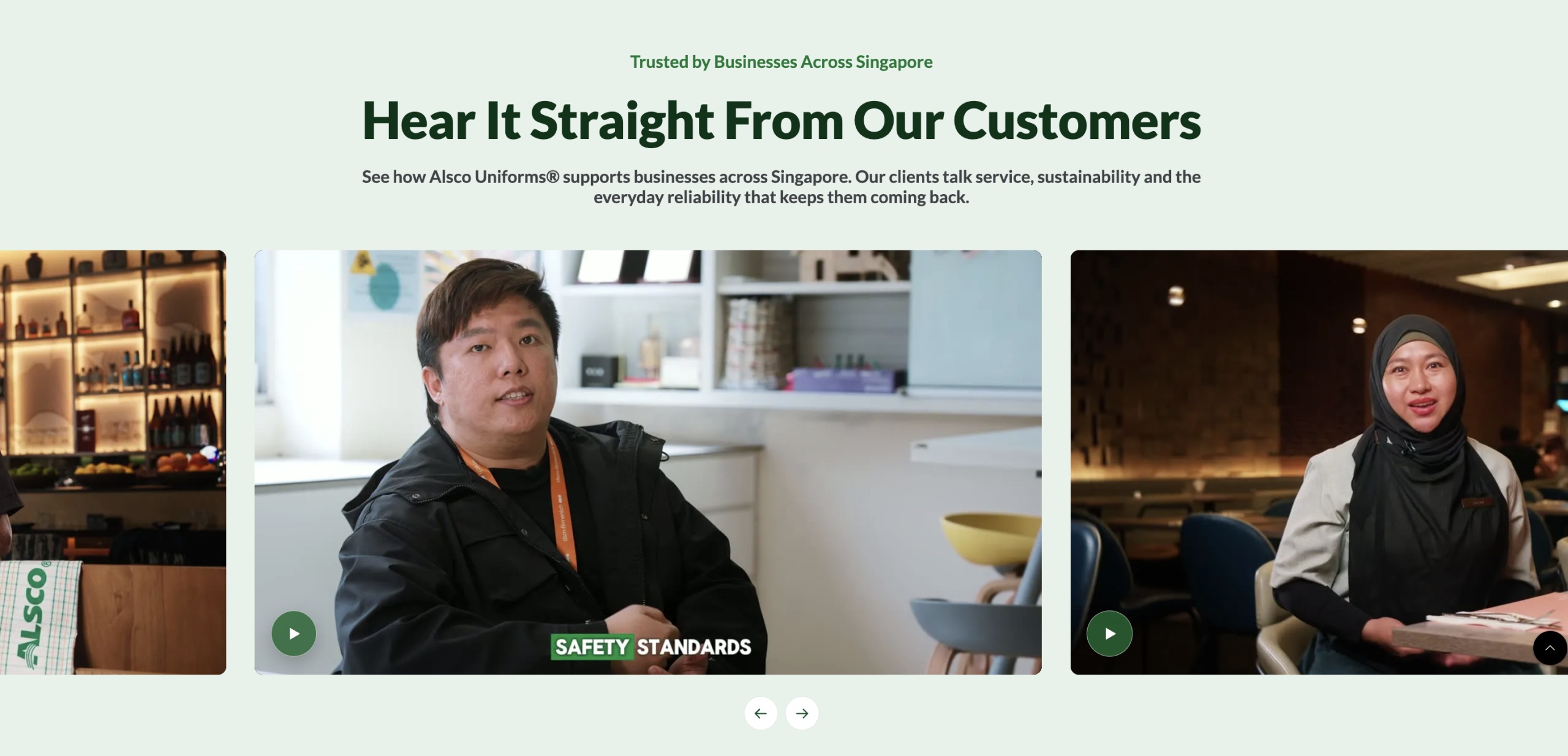
Put the customer’s experience beside the claim.
The success hub gives visitors a way to explore real relationships. Each story can be reached from the wider website and can connect its proof to a relevant service conversation.
Watch the content.
Then see what it became.
Explore the customer success hub ↗
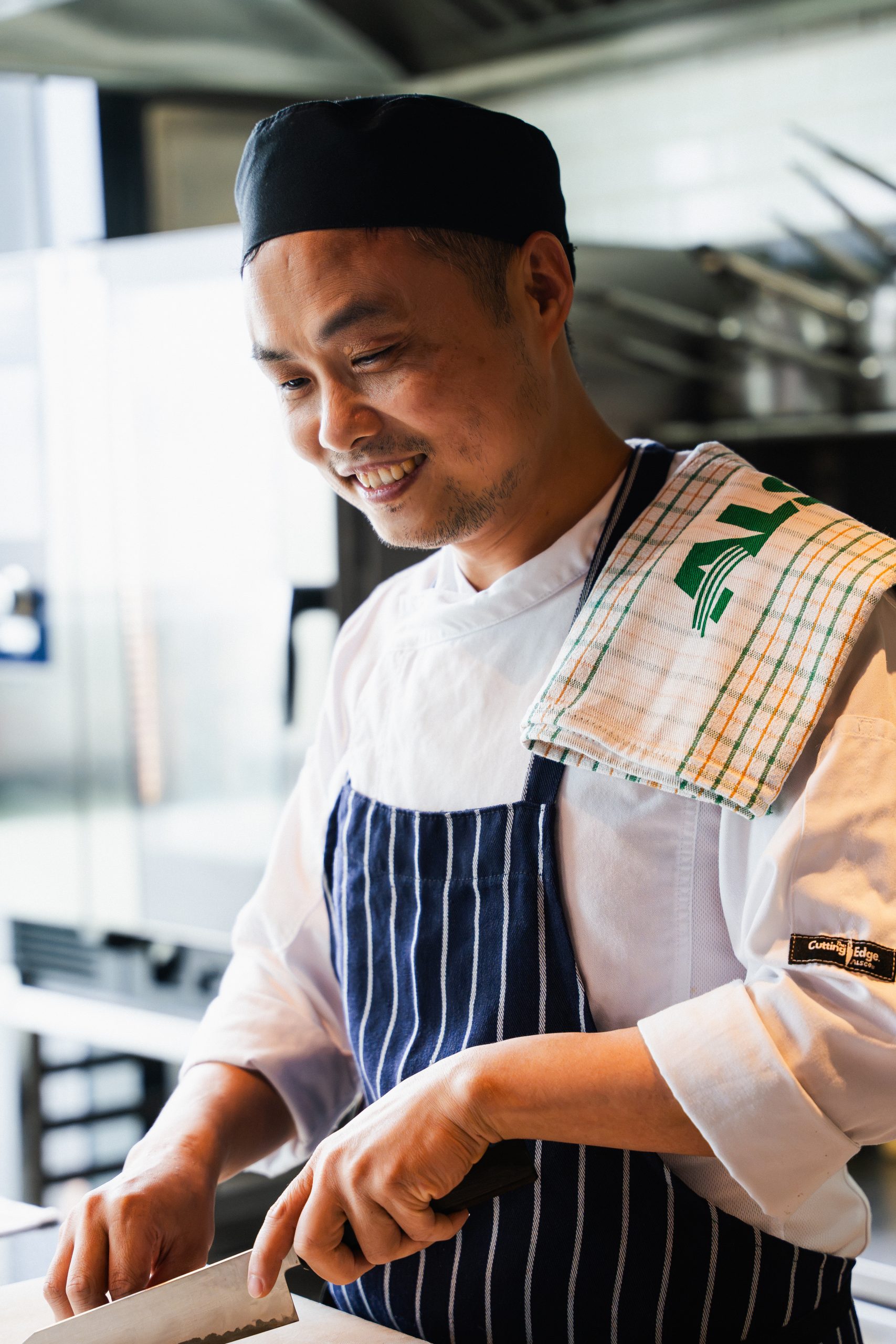
Ginkyō: chefswear in a working kitchen
Comfort and functionality, explained by the people wearing it.
Read the customer story ↗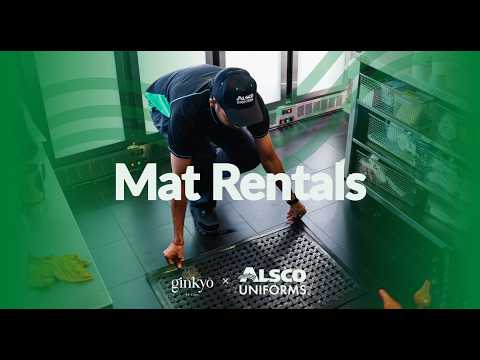
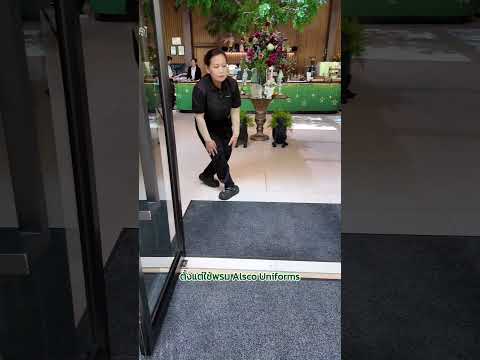
Ginkyō: commercial floor mats
A service demonstration becomes a practical customer answer.
Read the customer story ↗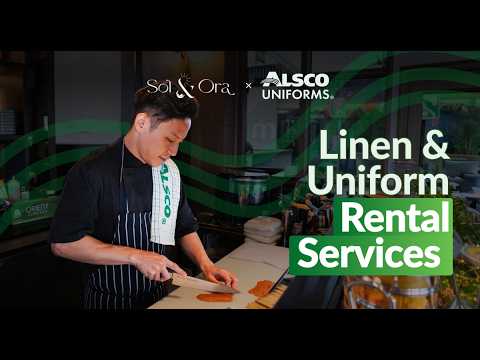
Sol & Ora: restaurant operations
Operational context gives the service a reason to matter.
Read the customer story ↗
Sol & Ora: the partnership
The customer explains the linen and uniform relationship.
Read the customer story ↗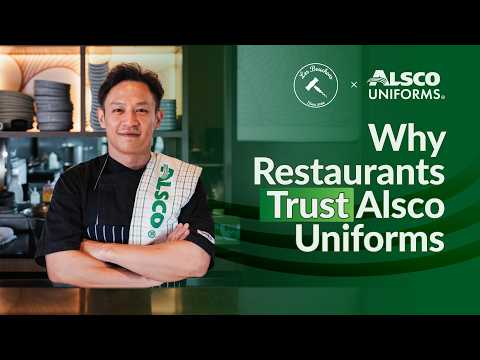
Three restaurant brands. One service story.
Hospitality proof across Les Bouchons, L’Angélus and Tapas,24.
Read the customer story ↗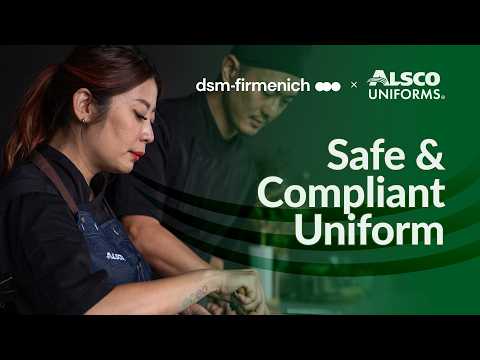
dsm-firmenich: managed workwear
An industrial customer story adds a different buying context.
Read the customer story ↗A video becomes a place
to understand the customer.
Brief the whole content system before the camera rolls. A production should have a home on the website, a role in search and a use in sales, as well as an advertising format.
Local knowledge.
Local language.
A wider search role.
A Thai video can do more than run as a Short or a Meta ad. It can become the evidence behind a useful Thai-language page.
Alsco Uniforms Thailand’s locally recorded videos began with practical service messages. AIIMS connected the material to service pages, industry questions and customer stories, giving the videos a second life on the website.
The strategy starts with the person buying in Thailand: the terminology they use, the operational issue they are trying to solve and the detail needed to take the next step.
Thai content, for Thai businesses.
The Thai and English sites have different content experiences. The Thai work gives local service questions their own space, with Thai copy and Thai video supporting Thai organic discovery.
This is an editorial and commercial decision. A literal translation does not automatically answer the same question, carry the same proof or serve the same buying context.
Explain one problem quickly through YouTube Shorts and social advertising.
Give that problem context, practical detail, related services and an enquiry route.
One useful topic can support
several different buying questions.
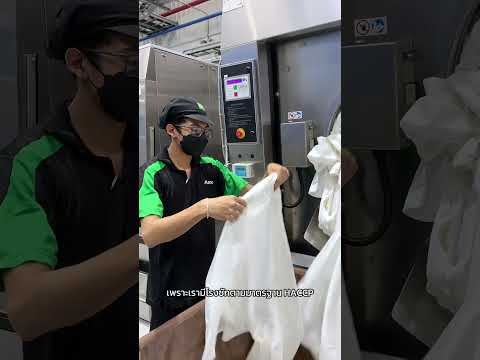
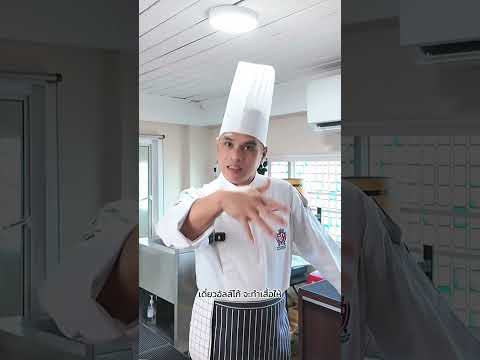
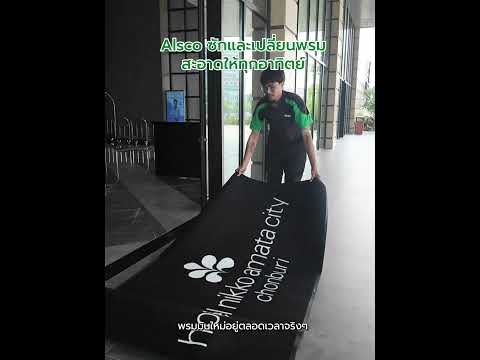
Explore all 11 Thai service pages, articles and customer stories
Open the published page or watch the video currently embedded on it. Several pages deliberately use the same source video to answer different, relevant questions.
- ServiceMat rental ↗Watch film ↗
- ServiceUniform rental in Thailand ↗Watch film ↗
- IndustryHotel and restaurant uniform rental ↗Watch film ↗
- Buying questionFactory uniform shortages and washing costs ↗Watch film ↗
- Buying questionDust-control mats for restaurants ↗Watch film ↗
- Customer storyTrees&co: kitchen mats ↗Watch film ↗
- Customer storyGrace Cooking School: uniform costs ↗Watch film ↗
- Customer storyKAIJI: restaurant floor mats ↗Watch film ↗
- Buying questionStaff uniforms and factory audit risk ↗Watch film ↗
- Buying questionUniforms for food factories ↗Watch film ↗
- Buying questionKitchen mats, oil and floor care ↗Watch film ↗
Simple capture still deserves serious strategy. Local knowledge becomes a search asset when the question, language, evidence and next step are right.
Watch.
Read.
Listen.
Do not assume the next story needs a new campaign. It may already be sitting in a customer comment.
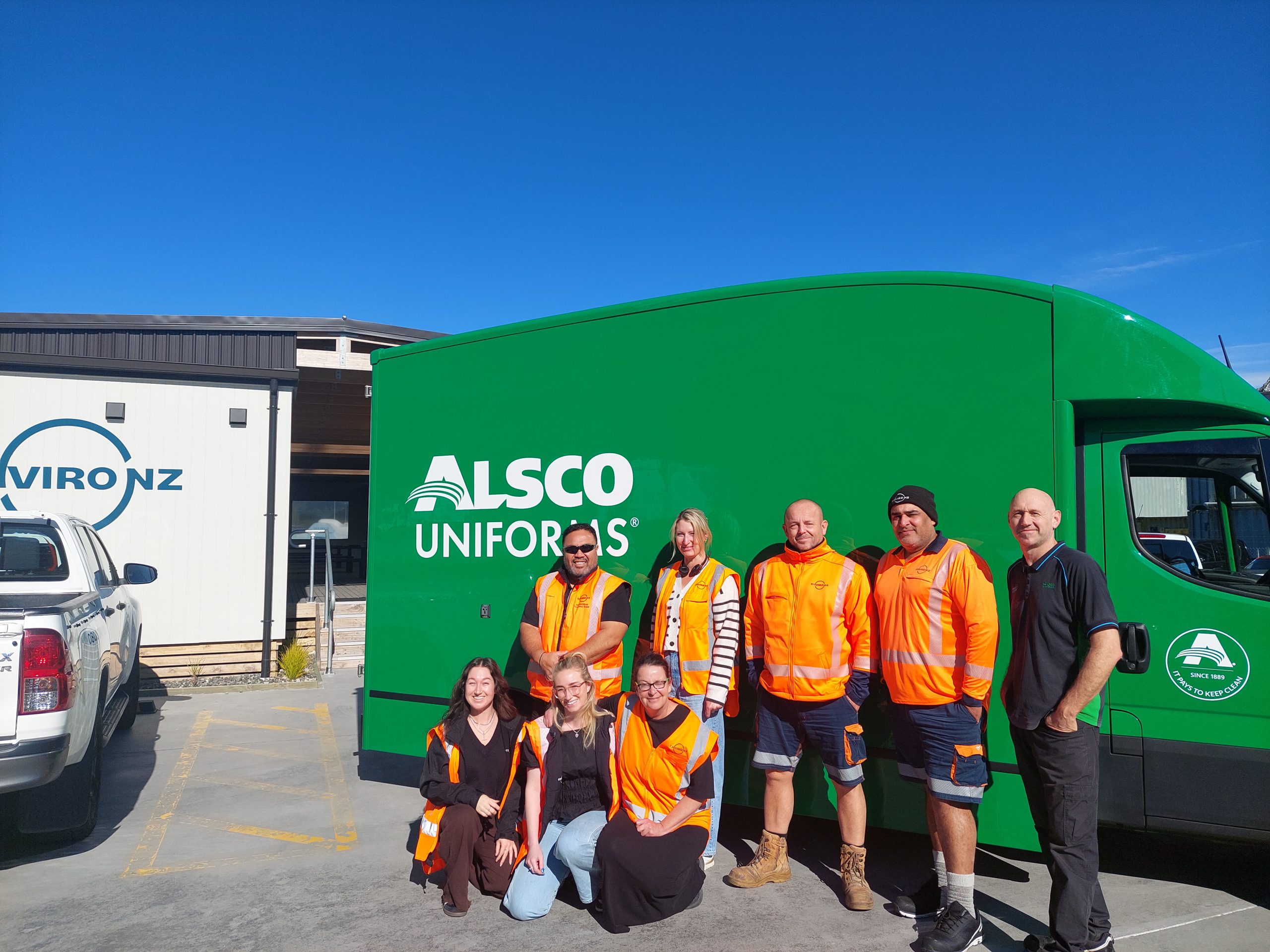
The AIIMS team noticed a specific piece of feedback submitted through an email form. The detail pointed to a bigger story: a local delivery, the person providing the service and the customer receiving it.
Four DIY photographs supplied by the business became the starting material. The story became a customer success page. A related linen-delivery article widened the topic. The cluster grew from an actual customer experience.
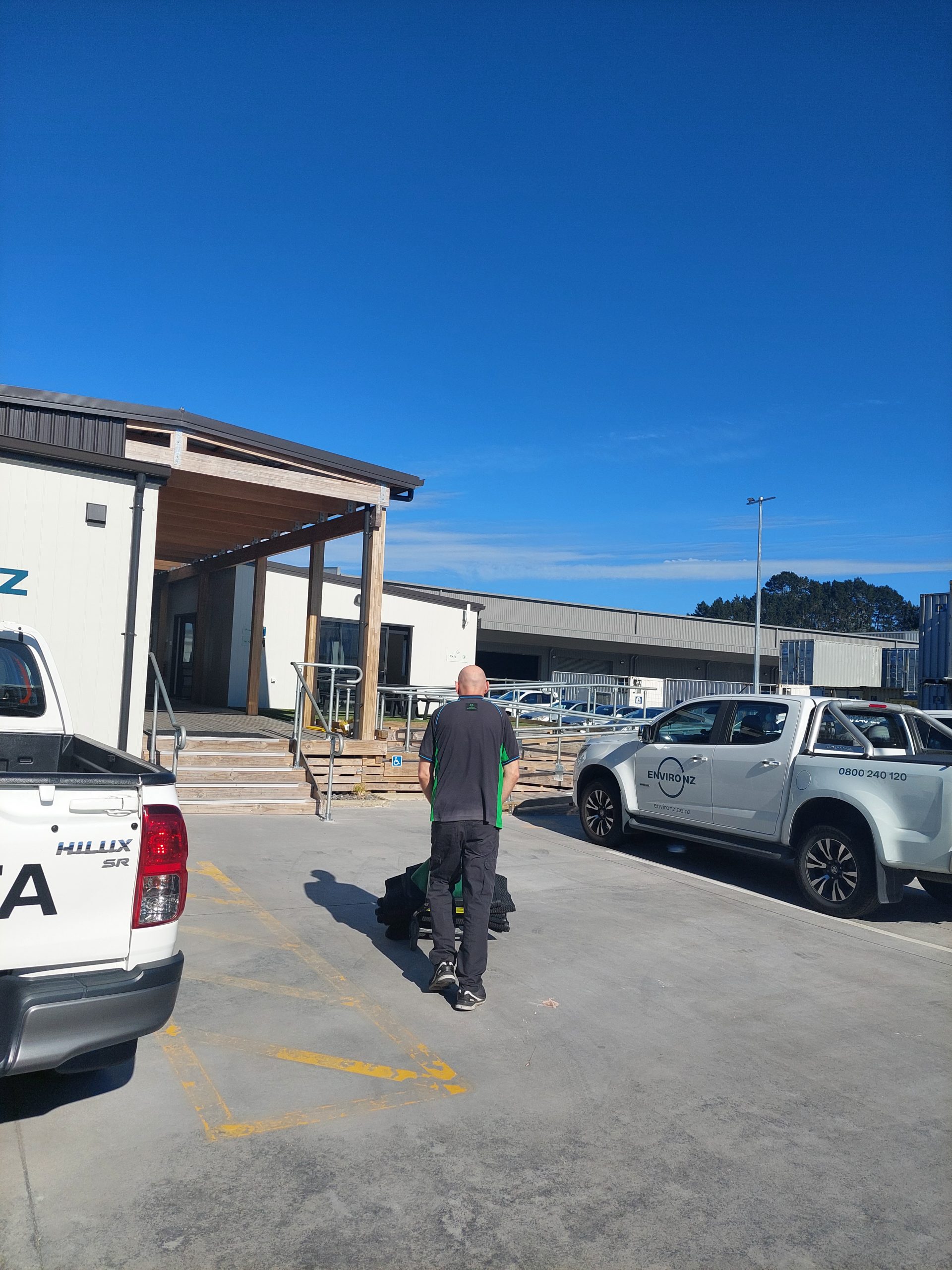
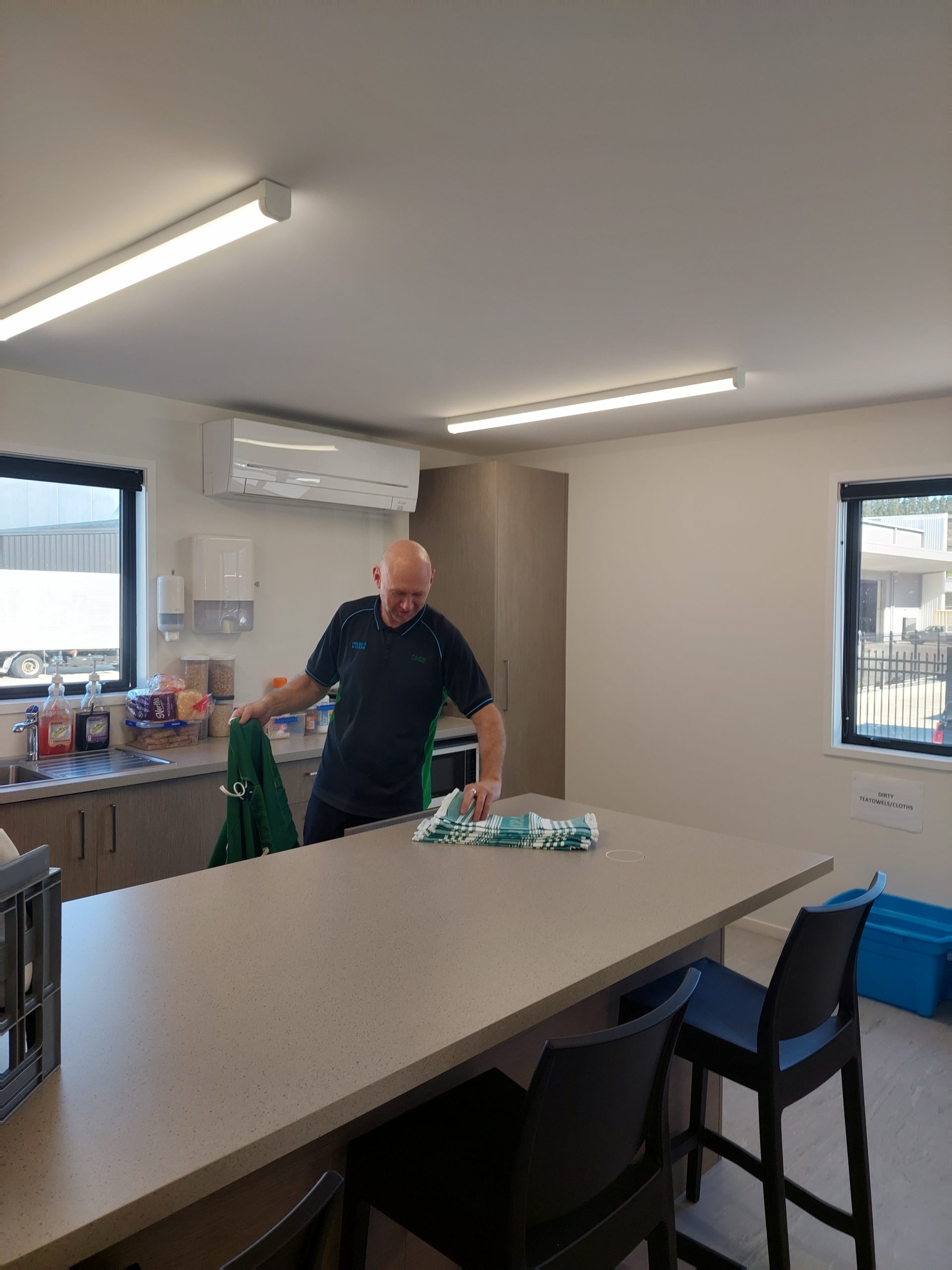
Photographs from the published Enviro NZ customer story.
A specific compliment.
Customer feedback identifies a person and a moment worth exploring.
A real local delivery.
Customer-supplied photographs make the service relationship tangible.
Enviro NZ, Omanawa.
An owned customer page gives the experience a lasting home.
Local linen delivery.
A related guide answers wider service and location questions.
One post spotted.
Another cluster
unlocked.
The next opportunity began with social listening and a community announcement from Viv’s Kitchen.
AIIMS recognised the wider relevance of the café’s defibrillator story. A local customer success page could explain the relationship, while a separate AED rental and installation article could address questions from workplaces across New Zealand.
The local story carries the human reason. The national service article carries the wider buying questions and a route to the appropriate Alsco Uniforms team. Each page has a different job.
 Sanson → New Zealand
A local reason.
A national conversation.
Viv’s Kitchen.
A café’s story puts the service into a recognisable community setting.
AED rental & installation.
A national guide supports broader questions and connects readers with local teams.
Original community post, embedded from Facebook. Availability depends on Facebook and your privacy settings. View the original post ↗
Customer experience is a source of strategy. The useful detail is often already there; someone has to notice it, verify it and follow it through.
Where there is a will,
there is a way
to be strategic.
The production conditions can change. The responsibility to think beyond the asset stays the same.
Different content.
The same commercial discipline.
A cluster earns its place when every page helps answer a different part of the customer’s decision.
The original film, photo, comment or post is evidence. Strategy decides which questions it can legitimately answer, where those answers belong and how the reader moves between them.
This is where SEO strategy ↗, website experience and content production meet. It also gives AEO and GEO work ↗ clearer source material: named businesses, specific services, first-hand context and useful answers.
Give every page
a reason to exist.
A second page should add a distinct question, audience, location or customer perspective. Rewriting the same transcript into several near-identical articles adds volume without necessarily adding value.
Start with what actually happened.
Listen to the customer. Watch the service. Check the facts, the source and permission to use it. Keep the specificity that makes the story credible.
Find the commercial question.
Is the buyer asking about reliability, uniform supply, floor care, local delivery or service support? Choose the question the evidence can genuinely help answer.
Build the right destination.
A customer story explains the relationship. A service page explains the offer. A guide helps a reader understand a problem. Write each to do its own job.
Connect the content.
Link the story to the appropriate service and supporting guide. Give the service page a route back to relevant proof. Make the next enquiry step clear.
Measure the customer journey.
Record the baseline. Follow discovery, page engagement, qualified enquiries and sales progression. Use the results to decide what the next piece of content should do.
What content do you have today?
Start with a real local buying question.
A clear answer in the customer’s language can become a useful page, even when the capture is simple.
See the Thailand system ↗- Choose one practical concern that the local sales or service team hears repeatedly.
- Record an understandable demonstration or explanation; verify the facts and local terminology.
- Create a focused service or support article, then link to the relevant service and enquiry route.
Published work.
Connected commercial roles.
| Market | Published outcome | Commercial role |
|---|---|---|
| Singapore | Homepage imagery and service videos, a customer success hub and four customer story pages. | Explain the offer, present customer evidence and support service enquiries. |
| Thailand | Eleven linked Thai service pages, articles and customer stories, with relevant videos. | Answer local buying questions and connect short-form content to owned search destinations. |
| New Zealand | Two customer stories and two companion service articles: linen delivery and AED rental. | Connect local experience to wider service questions and the appropriate enquiry route. |
These are delivery outcomes. A verified ROI or conversion-rate claim would need agreed dates, baseline data, attribution and commercial results. The next measurement layer should test the role of the content, rather than assume the lift.
Discovery
Relevant Search Console impressions and clicks, landing pages, language and location. Keep page-level and cluster-level views.
Customer action
Video engagement where measurable, story-to-service journeys and meaningful enquiry actions. Use consistent analytics events.
Commercial progression
Qualified enquiries, opportunities and won business linked in the CRM. Distinguish direct attribution from assisted influence.
A better brief
starts here.
Practical resources for finding the opportunity, planning the content and measuring what follows. No form required.
Content to
commercial search.
The three approaches, the five decisions and a practical checklist for your next story.
Download the playbook ↓The content
opportunity brief.
Record the source, buyer question, evidence, page role, internal links and next action before you create.
Download the editable brief ↓Evidence &
measurement planner.
A spreadsheet-ready structure for sources, permissions, page roles, baselines and commercial follow-through.
Download the planner ↓The capabilities
behind the strategy.
Before you commission
the next piece of content.
Does strategic content always need a full production crew?
What makes this a content-to-SEO strategy?
How does customer evidence support AEO and GEO?
Why should the Thai and English experiences be different?
Can one customer story support a wider content cluster?
Where does 6 For 6 fit?
Evidence: the linked Alsco Uniforms websites, supplied production assets and the AIIMS project brief. Published pages and video placements were checked on 30 October 2026. Page captures represent the supplied website state. Search implementation guidance: Google AI features, video search guidance and language alternatives.
Your next search
opportunity may
already be happening.
Bring us the film, the service question or the customer story. Let’s work out what it could become.